¥457.00 CNY
Single Bottle (45 Servings)
SKU: CN13073US
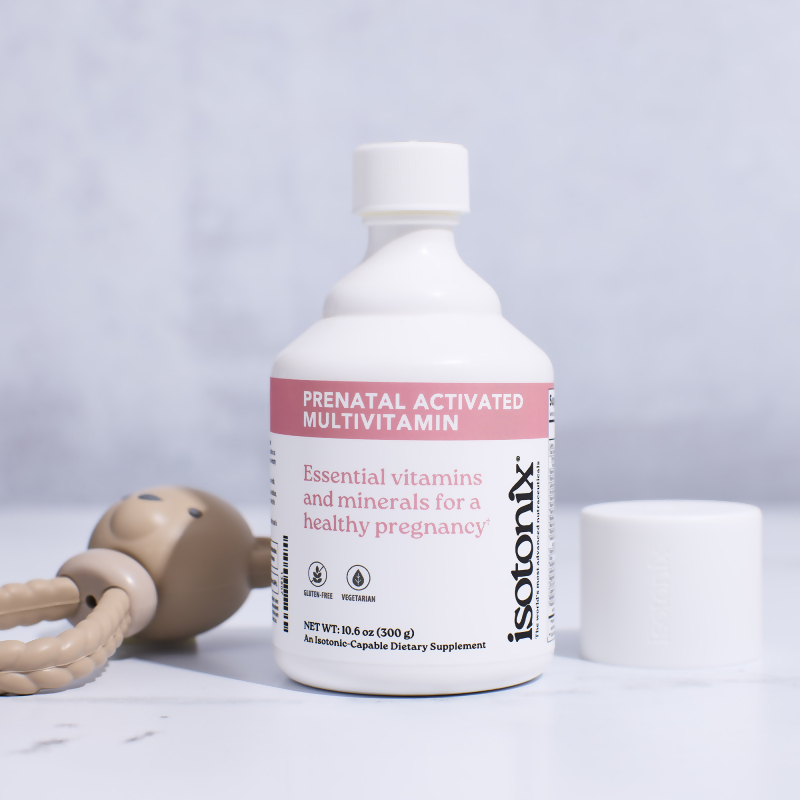
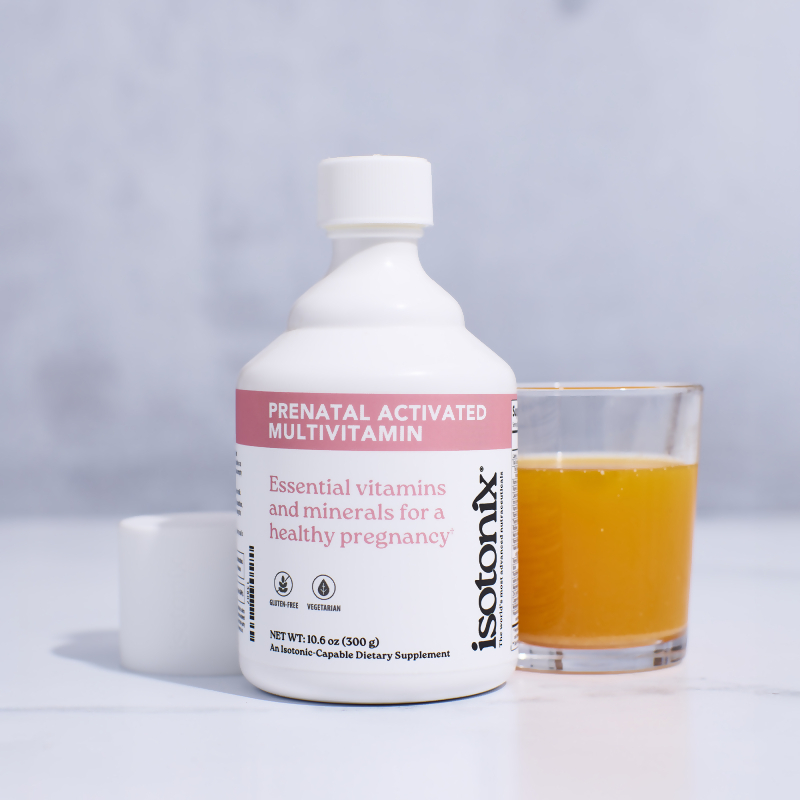
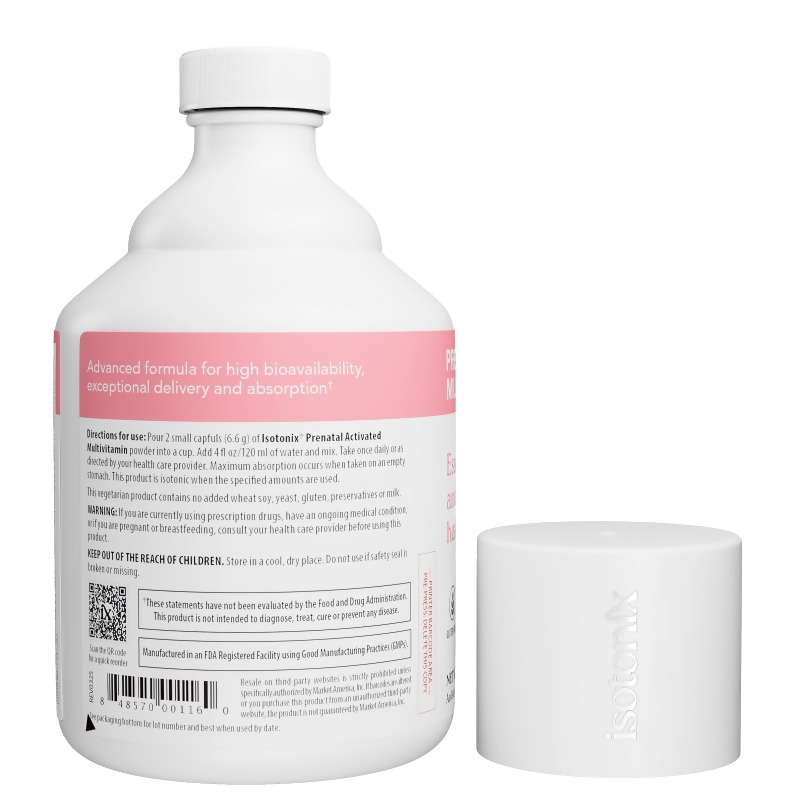
Isotonix Prenatal Activated Multivitamin is an isotonic-capable supplement that delivers metabolically active forms of folic acid and other B-vitamins, in addition to supplying the Recommended Daily Allowance of key vitamins and nutrients needed for an expectant mother. Taking a prenatal multivitamin with the activated forms of vitamins and minerals is important, especially to pregnant women, because it reduces the amount of effort required to activate and use the nutrients. The superior Isotonix delivery system and the activated forms of essential B-vitamins in Isotonix Prenatal Activated Multivitamin provides pregnant women with superior multivitamin benefits without the difficulty of swallowing prenatal tablets. Isotonix Prenatal Activated Multivitamin contributes to a healthy pregnancy and supports normal growth and development of a healthy baby. It also promotes a healthy birth weight during pregnancy. Isotonix Prenatal Activated Multivitamin tastes great and has a soothing lemon-lime flavor.
See detailsBenefits
- Helps contribute to a healthy pregnancy
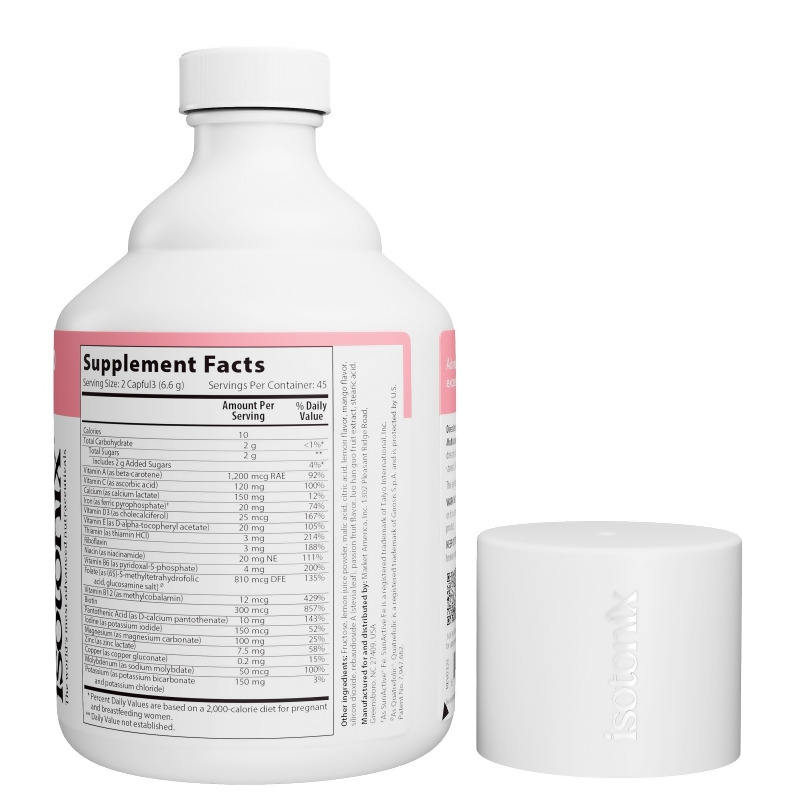
- Contains 10 vitamins and 7 minerals
- Helps maintain healthy skin and hair
- Contains activated forms of select B vitamins to ensure optimal utilization by the body
- Healthful diets containing adequate folate may reduce a women’s risk of having a child with a brain or spinal cord defect
- Deficiencies of micronutrients (zinc, iron, folic acid and iodine) during pregnancy are known causes of low birth weight
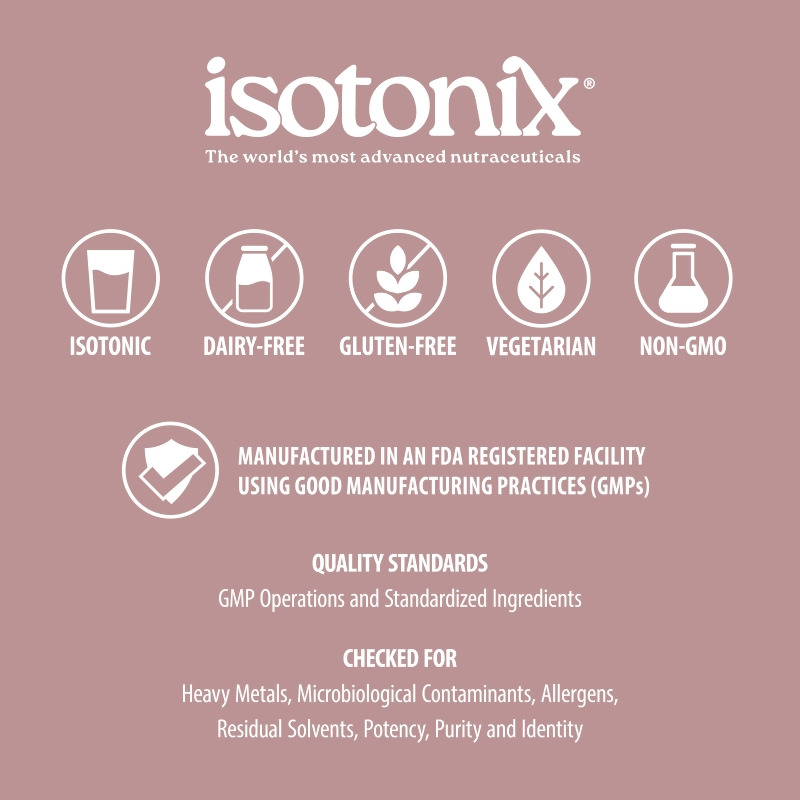
Gluten Free - the finished product contains no detectable gluten
No Detectable GMO - the finished product contains no detectable genetically modified organisms
Isotonic-Capable Supplements: easy-to-swallow isotonic supplements that allow for faster nutrient absorption by the body. Individual response varies
* USA FDA classifies gluten-free as a finished product containing less than 20PPM gluten.
Details
Ingredients
Quatrefolic is the glucosamine salt of (6S)-5-methyltetrahydrofolate, the most active form of folate, as it is structurally analogous to the reduced and active form of folic acid. Because this form is naturally present in the body, it is much more bioavailable for its biological action without having to be metabolized in the body. This patented ingredient also provides greater stability and higher water solubility, perfect for Isotonix.*
FAQ
Science
- Ryan-Harshman M et al. Folic acid and prevention of neural tube defects. Canadian Family Physician. 54(1):36-8, 2008.
- Czeizel A et al. Dose-dependent effect of folic acid on the prevention of orofacial clefts. Pediatrics. 104(6):e66, 1999.
- Ren A et al. Comparison of blood folate levels among pregnant Chinese women in areas with high and low prevalence of neural tube defects. Public Health Nutrition. 10(8):762-8, 2007.
- Brent R et al. Further efforts to reduce the incidence of neural tube defects. Pediatrics. 119(1):225-6, 2007.
- Lindsey L et al. Understanding optimal nutrition among women of childbearing age in the United States and Puerto Rico : employing formative research to lay the foundation for national birth defects prevention campaigns. Journal of Health Communication. 12(8):733-57, 2007.
- Scholl T et al. Folic acid: influence on the outcome of pregnancy. American Journal of Clinical Nutrition. 71(5 Supplement):1295S-1303S, 2000.
- Wald N et al. Quantifying the effect of folic acid. Lancet. 358(9298):2069-2073, 2001.
- Locksmith G et al. Preventing neural tube defects: the importance periconceptional folic acid supplements. Obstetrics and Gynecology. 321(7):1027-1034, 1998.
- Suarez L et al. Maternal serum B(12) levels and risk for neural tube defects in a Texas-Mexico border population. Annals of Epidemiology. 13(2):81-88, 2003.
- Candito M et al. Nutritional and genetic determinants of vitamin B and homocysteine metabolisms in neural tube defects: a multicenter case-control study. American Journal of Medical Genetics. 146(9):1128-33, 2008.
- Boyles A et al. Folate and one-carbon metabolism gene polymorphisms and their associations with oral facial clefts. American Journal of Medical Genetics. 146(4):440-9, 2008.
- Centers for Disease Control and Prevention (CDC). Prevalence of neural tube defects and folic acid knowledge and consumption--Puerto Rico, 1996-2006. MMWR Morbidity and Mortality Weekly Report. 57(1):10-3, 2008.
- Wilson R et al. Pre-conceptional vitamin/folic acid supplementation 2007: the use of folic acid in combination with a multivitamin supplement for the prevention of neural tube defects and other congenital anomalies. Journal of Obstetrics Gynecology Canada . 29(12):1003-26, 2007.
- Gupta P et al. Multimicronutrient supplementation for undernourished pregnant women and the birth size of their offspring: a double-blind, randomized, placebo-controlled trial. Archives of Pediatric and Adolescent Medicine. 161(1):58-64, 2007.
- Scholl T et al. Vitamin E: maternal concentrations are associated with fetal growth. American Journal of Clinical Nutrition. 84(6):1442-8, 2006.
- Kaiser L et al. Position of the American Dietetic Association: nutrition and lifestyle for a healthy pregnancy outcome. Journal of the American Dietetic Association. 108(3):553-61, 2008.
- Scholl T. Maternal nutrition before and during pregnancy. Nestlé Nutrition Workshop Series Pediatrics Program. 61:79-89, 2008.
- Pathak P et al. Prevalence of multiple micronutrient deficiencies amongst pregnant women in a rural area of Haryana. Indian Journal of Pediatrics. 71(11):1007-14, 2004. Review.
- Castillo-Durán C et al. Zinc supplementation and growth of the fetus and low birth weight infant. Journal of Nutrition. 133(5 Suppl 1):1494S-7S, 2003. Review.
- Wynn A and Wynn M. Magnesium and other nutrient deficiencies as possible causes of hypertension and low birth weight. Nutrition and Health. 6(2):69-88, 1988. Review.
- Scholl T et al. Folic acid: influence on the outcome of pregnancy. American Journal of Clinical Nutrition. 71(5 Supplement):1295S-1303S, 2000.
- Grant W et al. Benefits and requirements of vitamin D for optimal health: a review. Alternative Medicine Review. 10(2):94-111, 2005.
- Zagré N et al. Prenatal multiple micronutrient supplementation has greater impact on birth weight than supplementation with iron and folic acid: a cluster-randomized, double-blind, controlled programmatic study in rural Niger . Food and Nutrition Bulletin. 28(3):317-27, 2007.
- Hernandez-Diaz S et al. Risk of gestational hypertension in relation to folic acid supplementation during pregnancy. American Journal of Epidemiology. 156(9):806-812, 2002.
- Wen S et al. Folic acid supplementation in early second trimester and the risk of preeclampsia. American Journal of Obstetrics and Gynecology. 198(1):45.e1-7, 2008.
- Bodnar L et al. Maternal vitamin D deficiency increases the risk of preeclampsia. Journal of Clinical Endocrinology and Metabolism. 92(9):3517-22, 2007.
- Scholl T. Maternal nutrition before and during pregnancy. Nestlé Nutrition Workshop Series Pediatrics Program. 61:79-89, 2008.
- Repke J. Calcium, magnesium, and zinc supplementation and perinatal outcome. Clinical Obstetrics and Gynecology. 34(2):262-7, 1991. Review.
- Wynn A and Wynn M. Magnesium and other nutrient deficiencies as possible causes of hypertension and low birthweight. Nutrition and Health. 6(2):69-88, 1988. Review.
- Altura B et al. Magnesium deficiency-induced spasms of umbilical vessels: relation to preeclampsia, hypertension, growth retardation. Science. 221(4608):376-8, 1983.
- Hofmeyr G et al. Calcium supplementation to prevent pre-eclampsia--a systematic review. South African Medical Journal. 93(3):224-228, 2003.
- Coetzee E et al. A randomized controlled trial of intravenous magnesium sulphate versus placebo in the management of women with severe pre-clampsia. British Journal of Obstetrics and Gynecology. 105(3):300, 1998.
- Hypponen E. Vitamin D for the prevention of preeclampsia? A hypothesis. Nutrition Reviews. 63(7):225-232, 2005.
- Chappell L et al. Vitamin C and E supplementation in women at risk of preeclampsia is associated with changes in indices of oxidative stress and placental function. American Journal of Obstetrics and Gynecology. 187(3):777-784, 2002.
- Chappell L et al. Effect of antioxidants on the occurrence of pre-eclampsia in women at increased risk: a randomized trial. Lancet. 354(9181):810-816, 1999.
- Vaidya A, et al. Effects of antenatal multiple micronutrient supplementation on childrens weight and size at 2 years of age in Nepal : follow-up of a double-blind randomized controlled trial. Lancet. 371(9611):492-9, 2008.
- Wilcox A et al. Folic acid supplements and risk of facial clefts: national population based case-control study. British Medical Journal. 334(7591):464, 2007.
- Shaw G et al. Risks of orofacial clefts in children born to women using multivitamins containing folic acid periconceptionally. Lancet. 346(8972):393-6, 1995.
- Goh Y et al. Prenatal multivitamin supplementation and rates of congenital anomalies: a meta-analysis. Journal of Obstetrics and Gynecology Canada . 28(8):680-9, 2006. Review.
- Lindsey L et al. Understanding optimal nutrition among women of childbearing age in the United States and Puerto Rico : employing formative research to lay the foundation for national birth defects prevention campaigns. Journal of Health Communication. 12(8):733-57, 2007.
- Goh Y et al. Prenatal supplementation with multivitamins and the incidence of pediatric cancers: clinical and methodological considerations. Pediatrics Blood and Cancer. 50(2 Suppl):487-9; discussion 498, 2008. Review.
- Scholl T. Maternal nutrition before and during pregnancy. Nestle Nutrition Workshop Series Pediatric Program. 61:79-89, 2008.
- Czeizel A et al. Dose-dependent effect of folic acid on the prevention of orofacial clefts. Pediatrics. 104(6):e66, 1999.
- Scholl T et al. Folic acid: influence on the outcome of pregnancy. American Journal of Clinical Nutrition. 71(5 Supplement):1295S-1303S, 2000.
- Czeizel A et al. Maternal use of nutritional supplements during the first month of pregnancy and decreased risk of Down's syndrome: case-control study. Nutrition. 21(6):698-704, 2005.
- Tho
- Merialdi M et al. Adding zinc to prenatal iron and folate tablets improves fetal neurobehavioral development. American Journal of Obstetrics and Gynecology. 180(2 Partt 1):483-490, 1999.
- Merialdi M et al. Randomized controlled trial of prenatal zinc supplementation and fetal bone growth. American Journal of Clinical Nutrition. 79(5):826-830, 2004.
- Boyles A et al. Folate and one-carbon metabolism gene polymorphisms and their associations with oral facial clefts. American Journal of Medical Genetics. 146(4):440-9, 2008.
- Morin P et al. Multivitamin supplement for primary prevention of birth defects: application of a preventive clinical practice. Canadian Family Physician. 53(12):2142-3, 2007.
- Mock D et al. Marginal biotin deficiency during normal pregnancy. American Journal of Clinical Nutrition. 75(2):295-299, 2002. · Scholl T et al. Folic acid: influence on the outcome of pregnancy. American Journal of Clinical Nutrition. 71(5 Supplement):1295S-1303S, 2000.
- Klenner F et al. Observations on the dose and administration of ascorbic acid when employed beyond the range of a vitamin in human pathology. Journal of Applied Nutrition. 23(3-4), 1971.
- Grant W et al. Benefits and requirements of vitamin D for optimal health: a review. Alternative Medicine Review. 10(2):94-111, 2005.
- Hollis B. Vitamin D requirement during pregnancy and lactation. Journal of Bone and Mineral Research. 22 Suppl 2:V39-44, 2007. Review.
- Kaiser L et al. Position of the American Dietetic Association: nutrition and lifestyle for a healthy pregnancy outcome. Journal of the American Dietetic Association. 108(3):553-61, 2008.