¥457.00 CNY
单瓶装(45 份)
产品代号(SKU): CN13073US
立即购买:
¥457.00 CNY
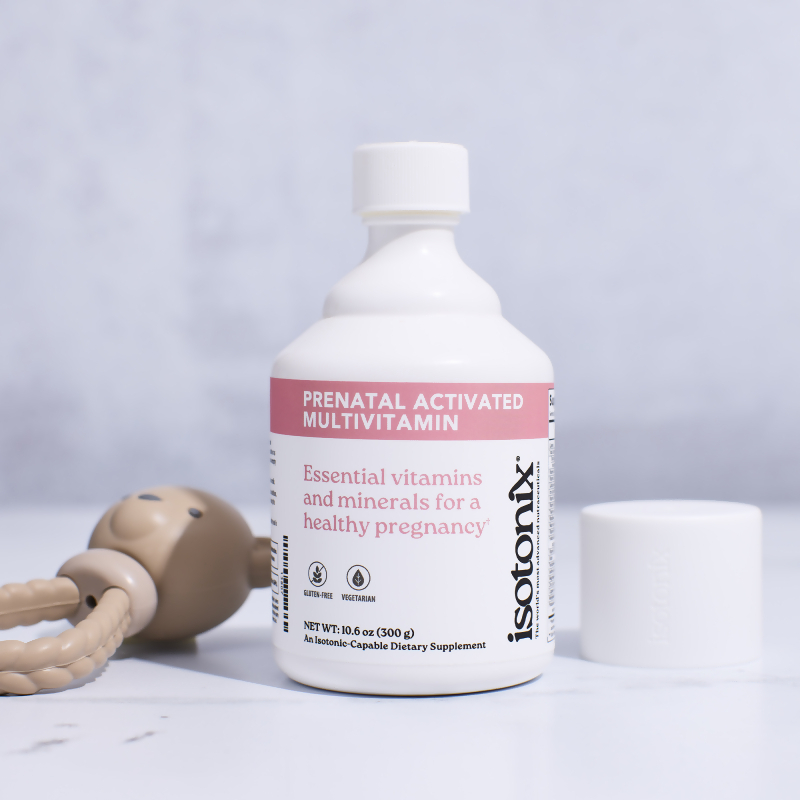
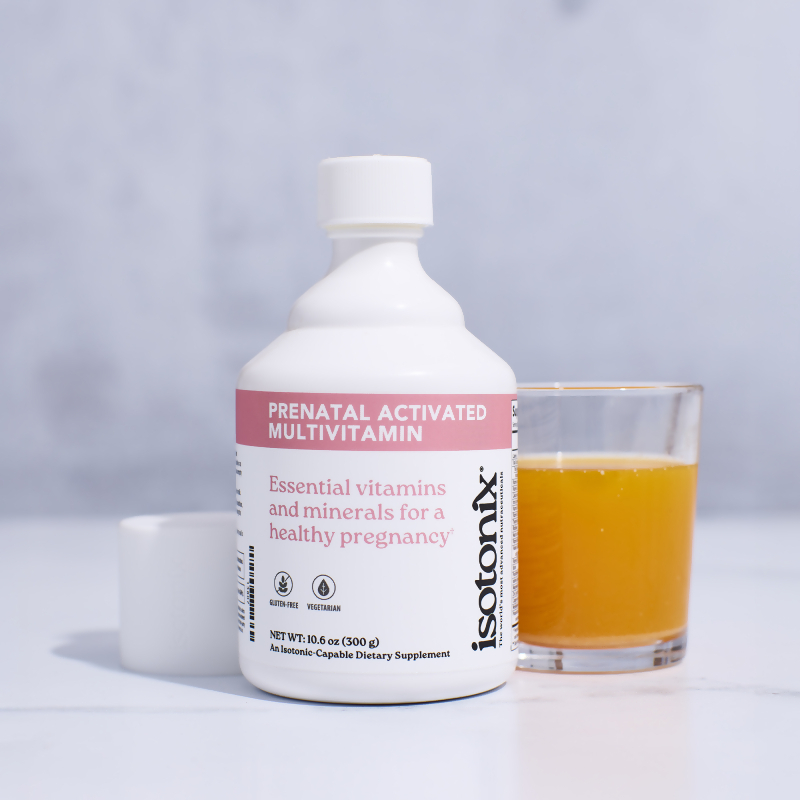
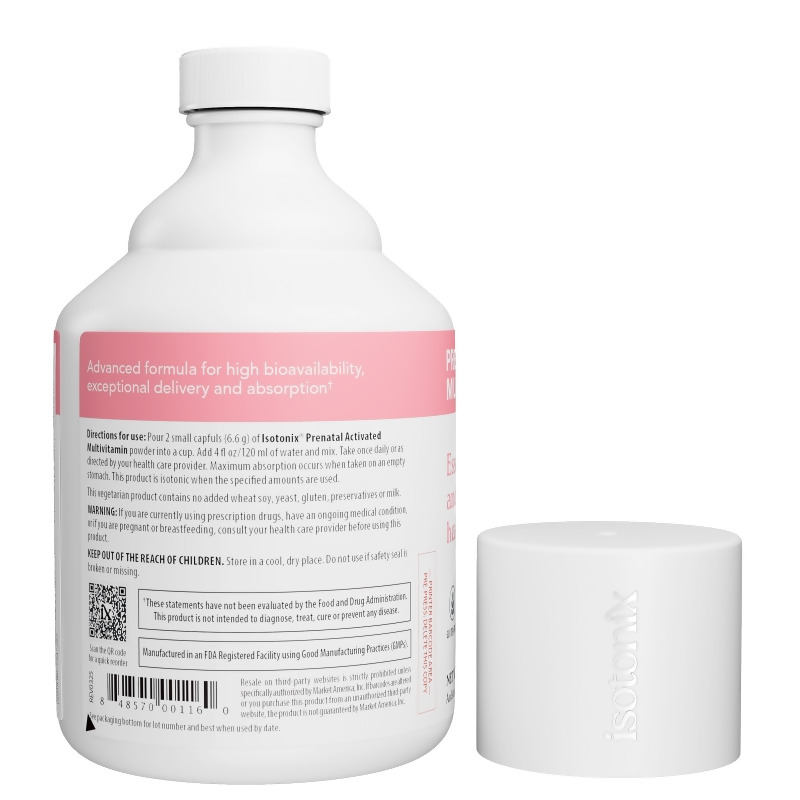
Isotonix孕妇综合维生素粉末是以等渗透溶液形式传输的营养补充品,提供代谢活性形式的叶酸与其他维生素B群以及每日建议摄取量的主要维生素和营养素,保证准妈妈每日营养需求。孕妇维生素中含有活性形式的维生素与矿物质对孕妇尤为重要,因为身体无需消耗额外的体力去活化和利用这些营养素。Isotonix孕妇综合维生素粉末,其卓越的等渗透营养传输系统与必要的活性形式维生素B群让孕妇尽享多种维生素的益处,且避免吞咽片剂的困难。Isotonix孕妇综合维生素粉末有助维持孕期健康,并支援胎儿的正常生长与健康发育,促进健康的出生体重。Isotonix孕妇综合维生素粉末为青柠口味,舒缓清新。
查看详细信息好处
- 有助促进孕期健康
- 含有10种维生素和7种矿物质
- 有助维持健康的肌肤与毛发
- 含有活性形式的维生素B,确保能被身体充分利用
- 孕妇食用富含叶酸的食物有助降低胎儿发生大脑或脊髓缺陷的风险
- 孕期缺乏微量营养素(锌、铁、叶酸和碘)会导致新生儿体重过低
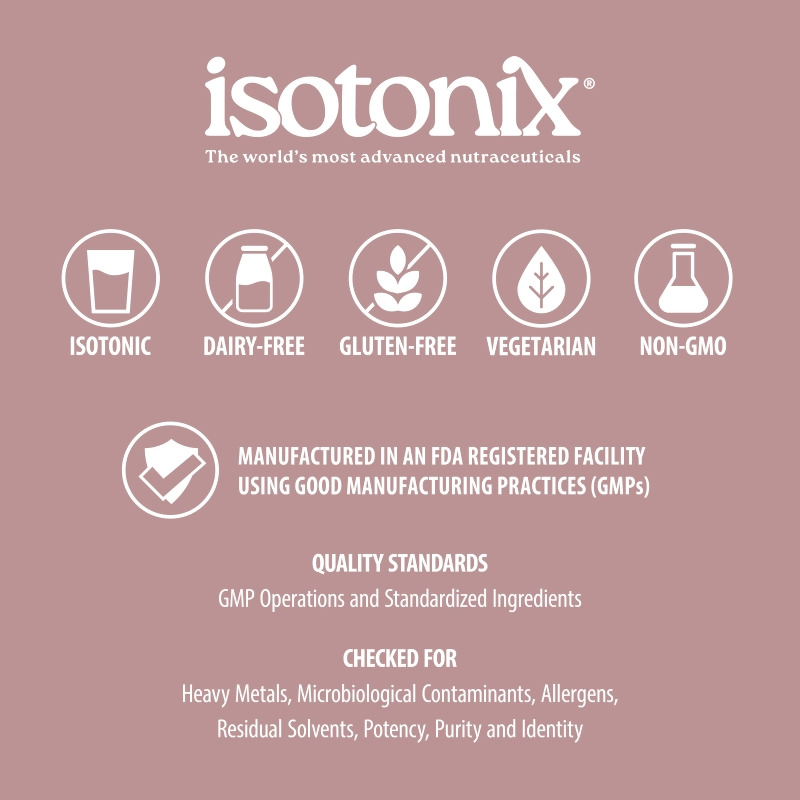
不含麸质 — 本产品不含可检测出之麸质
不含可检测出之基改成分(GMO) — 本产品不含可检测出之基因改造生物成分
等渗透压营养保健产品 — 能让身体快速吸收的可饮用液状营养保健品;个人效果可能不同
* 美国食品药物管理局(FDA)将含有少于20PPM麸质的制成产品列为不含麸质
详细信息
Isotonix孕妇综合维生素粉末是以等渗透溶液形式传输的营养补充品,提供代谢活性形式的叶酸与其他维生素B群以及每日建议摄取量的主要维生素和营养素,保证准妈妈每日营养需求。孕妇维生素中含有活性形式的维生素与矿物质对孕妇尤为重要,因为身体无需消耗额外的体力去活化和利用这些营养素。Isotonix孕妇综合维生素粉末,其卓越的等渗透营养传输系统与必要的活性形式维生素B群让孕妇尽享多种维生素的益处,且避免吞咽片剂的困难。Isotonix孕妇综合维生素粉末有助维持孕期健康,并支援胎儿的正常生长与健康发育,促进健康的出生体重。Isotonix孕妇综合维生素粉末为青柠口味,舒缓清新。
成分
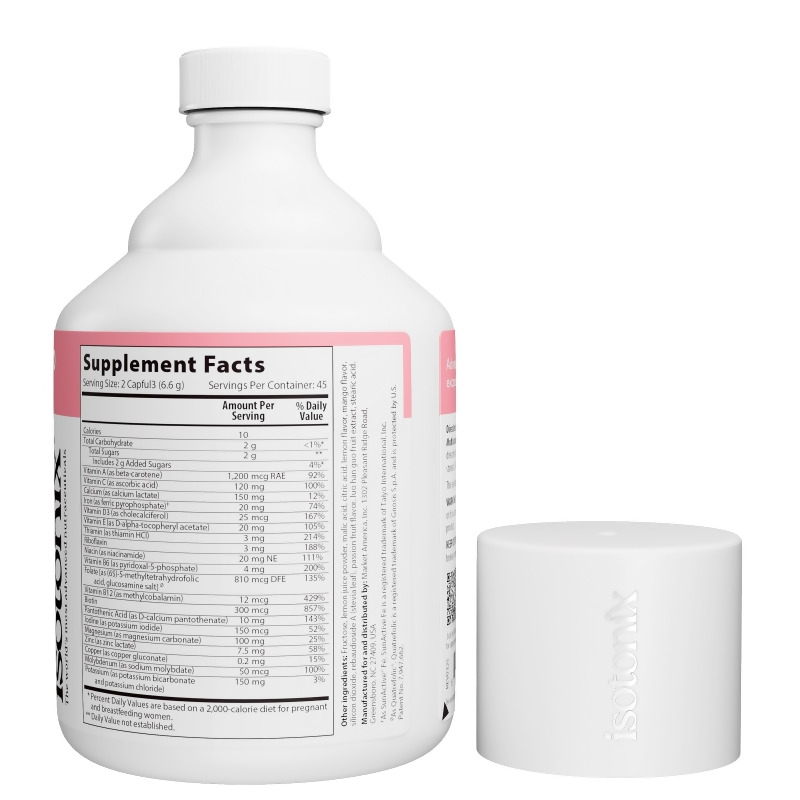
β-胡萝卜素 4,000国际单位:
在备孕阶段摄入充足的维生素A有许多好处。如您准备怀孕,Isotonix孕妇综合维生素粉末会是您的理想之选。适当补充维生素A有助促进胚胎与胎儿的正常成长与发育,进而促进宝宝的健康发展。维生素A亦能在胚胎期支援决定器官发育顺序的基因。β-胡萝卜素来自植物,进入人体后会转化为维生素A。
维生素B1 3毫克:
维生素B1是水溶性维生素,能促进身体对碳水化合物、脂肪及蛋白质的运用能力。身体的每个细胞都需要利用维生素B1来合成三磷酸腺苷(ATP),三磷酸腺苷是人体生命活动的主要能源。神经细胞需要维生素B1维持其正常功能。由于怀孕期间能量的需求和产生增加,因此每日维生素摄取建议量(RDA)亦需要随之增加。
维生素B2 3毫克:
维生素B2是水溶性维生素,帮助身体处理氨基酸和脂肪,活化维生素B6和叶酸,促进碳水化合物正常转化成三磷酸腺苷(ATP),三磷酸腺苷是身体运作所需的能量来源。维生素B2能够促进能量产生,由于怀孕期间能量产生增加,因此每日维生素摄取建议量(RDA)亦需要随之增加。
烟碱酸 20毫克:
烟碱酸能促进能量的正常产生。维生素B3、B1及B2共同作用,促进碳水化合物释放能量。由于怀孕期间能量产生增加,因此每日维生素摄取建议量(RDA)亦需要随之增加。
泛酸 10毫克:
泛酸亦被称为维生素B5,是水溶性维生素,参与克雷氏能量制造循环(Krebs Cycle),并促进神经递质乙酰胆碱的正常生产。泛酸与维生素B1、B2及B3一起协效作用,促进三磷酸腺苷(ATP)的生成,三磷酸腺苷为身体各项功能提供所需的能量。维生素B5亦有助脂肪的正常产生、运输及释放能量。
维生素B6 4毫克:
维生素B6是处理氨基酸的主要维生素,氨基酸是所有蛋白质和一些荷尔蒙的结构单元。维生素B6支援多种氨基酸的生成和分解。
维生素B12 12微克:
维生素B12是水溶性维生素,有助支援神经细胞的正常活动、脱氧核糖核酸(DNA)的复制和影响情绪的物质 — SAMe(S-腺苷-L-甲硫氨酸)的产生。在怀孕期间摄取维生素B12能促进胎儿健康。
叶酸[(6S)-5-甲基四氢叶酸、葡萄糖胺盐、第四代叶酸Quatrefolic](810微克):
叶酸主要存在于水果和蔬菜中。深绿色叶菜、柑橘、橙汁、豆类、豌豆和啤酒酵母是叶酸的最佳来源。叶酸极大地提升了B12的功效。这两种B群维生素协力合作,维护正常的红血球细胞。叶酸协助人体正常利用氨基酸及蛋白质,并支援脱氧核糖核酸(DNA)与核糖核酸(RNA)合成过程中的物质构建,这对维持人体正常的生命活动必不可少。科学研究发现当维生素B12与叶酸协同运作时,能促进同半胱胺酸的含量保持正常水平。这有助支援健康的心血管与神经系统。
第四代叶酸Quatrefolic是(6S)-5-甲基四氢叶酸的葡萄糖胺盐,为最具活性的叶酸形式,因为其在结构上类似于还原型叶酸的活性形式。这种形式在体内自然存在,具有更高的生物可利用性,无需经过繁琐的代谢过程即可发挥其生物作用。这项专利成分同时具有更高的稳定性与水溶性,非常适合用于Isotonix。*
生物素 300微克:
生物素是一种水溶性维生素B,作为辅酵素参与蛋白质、脂肪及碳水化合物的代谢活动。孕期妇女会增加对生物素的需求量,然而高达50%的孕妇却没有摄取到足够的生物素。
维生素C 120毫克:
维生素 C 也称为抗坏血酸,是具有多种生物功能的水溶性维生素。它能促进组织的正常修复及愈合。此外,维生素C亦能增强免疫系统。女性在怀孕时身体会需要更多的维生素C,以促进胎儿的正常发育、支援建造强壮的骨骼与牙齿;同时也能促进孕期另一个关键营养素 — 铁的吸收。
维生素D3(胆骨化醇)1,000国际单位:
怀孕的妇女需要更多的维生素D。维生素D的主要功能是促进血清钙浓度的正常调节。维生素D能加强肠道(主要是十二指肠与空肠)对钙质的吸收,透过钙结合蛋白的合成,促进钙质的吸收与留存。
维生素E(D-α-生育酚醋酸酯) 30国际单位:
维生素E为脂溶性维生素,已证实为强效的抗氧化物,经由母体吸收后传递给胎儿。维生素E能维护骨骼、心脏及平滑肌的结构和功能,并能促进红血球生成,增强心血管健康,提高免疫系统功能。
钙(乳酸)150毫克:
另一个对孕妇很重要的营养素是钙。怀孕期妇女对钙质的需求量会大幅提高。在怀孕期间,拥有健康的钙浓度有助母体维持水分平衡。在整个怀孕期间,母体会输送大量的钙质给胎儿,以帮助宝宝的骨骼和牙齿发育。在前6个月内,孕妇会将钙质储存在自己的骨骼中。孕期的最后3个月,胎儿的骨骼发育达到顶峰,就会汲取母体内储存的钙质。这时,孕妇需要食用大量富含钙质的食物,如牛奶及奶制品,以免因缺钙损害孕妇的牙齿与骨骼健康。
铜(葡萄糖酸铜)(0.2毫克):
铜是一种必需的微量元素,普遍存在于人体和饮食中。它能促进铁质的正常吸收与应用,也是抗氧化酵素 — 超氧化物歧化酶(SOD)的一部分。铜能促进腺苷三磷酸(ATP)的正常产生。腺苷三磷酸是人体生命活动的能量来源。铜可以促进婴儿的正常发育、红血球与白血球的成熟、铁质的传输,亦可加强骨骼强度、心肌收缩、葡萄糖代谢、大脑发育与免疫功能。
铁 20毫克:
铁质是孕妇综合维生素粉末中一种重要的矿物质,有助增强母亲与胎儿血液的携氧能力。缺铁会导致严重的出生缺陷。铁质是身体不可缺少的矿物质,是血红素的主要成分。血红素在血液中负责运载氧气。铁质是形成血液的必要元素。在怀孕期间,孕妇体内血液量增加,而且胎儿也需要铁来制造红血球细胞,因此对铁元素的需求量明显增加。为了支援胎儿组织的健康发育,必须增加血液量及其中内容物,给这些组织(包括红血球细胞)提供养分。此外,母体内储存的铁质约三分之一会被传递给发育中的胎儿,以帮助其形成血液并储存起来供以后使用。
镁(碳酸)100毫克:
镁是一种必需的矿物质,它可促进骨骼、蛋白质、脂肪酸以及细胞的正常生成,活化维生素B群,有助放松肌肉、凝结血液以及促进腺苷三磷酸(ATP;身体运作所需的能量来源)的生成。镁能促进骨骼健康(人体64%的镁以浓缩的形式存在于骨骼中)。它支援正常的骨骼结构,并在300多个细胞反应中发挥重要作用。镁有助于在怀孕期间维持肌肉舒适。
锌(乳酸)7.5毫克:
锌是一种必要的矿物质,含锌的酵素超过300多种。锌能支援人体正常愈合能力,并在成人生育、儿童生长、蛋白质合成、细胞繁殖、视力、免疫功能以及抵御自由基等方面具有促进作用。锌有助于胎儿在孕期的正常生长与发育。
钼(钼酸钠)50微克:
钼是一种人体必需的微量矿物质,能支援某些酵素依赖型反应的正常功能,例如铁质代谢,这对于孕妇极其重要。
常见问题
什么是孕妇综合维生素?
这些特殊配方的多种维生素专为孕妇补足膳食营养上的不足。本营养补充品含有多种维生素及矿物质,其中叶酸、铁和钙质的含量尤为重要。
为什么孕妇需要大量补充叶酸、铁和钙质?
叶酸能促进胎儿中枢神经系统的发育,富含叶酸的健康饮食可降低胎儿发生大脑或脊椎神经缺陷的风险。叶酸是一种维生素B,能促进细胞的正常繁殖与生长。叶酸的天然来源包括绿叶蔬菜、坚果、豆类及柑橘类水果,也存在于多种强化早餐谷物及维生素补充品中。由于胎儿的骨骼生长会掠取母体的钙,补充额外钙质有助于孕妇在孕期维持本身的骨密度。铁有助于提高孕妇和婴儿的血液携氧能力。任何的日常维生素补充品都不能代替健康饮食,但大多数女性仍需要食用营养补充品才能确保身体获得充足的矿物质。
需要补充多久孕妇维生素?
整个孕期都可以食用Isotonix孕婦綜合維生素沖飲。因其含有多种有益的维生素与矿物质,产后亦可以继续食用。
活性指的是维生素 B6、B12和叶酸的活性形式。非活性形式的维生素需要经过酵素活化,之后才能被身体利用。母体不仅需要消耗额外的时间与能量来进行活化,而且在有些情况下,这种反应进展缓慢、甚至被抑制。
为什么活性形式的叶酸对孕妇特别重要?
叶酸是胎儿的脑干和脊髓健康发育所必需的关键营养素。食用代谢活性状态的叶酸能够让孕妇迅速获得其好处。
为什么需要在孕期食用维生素与矿物质补充品?
怀孕期间食用各种各样的健康食物很重要。然而频频晨吐、繁忙的行程和发育中的胎儿不断改变的营养需求,单凭饮食可能难以摄取到足够的营养。不论怀孕期间是否有任何不规律的饮食习惯,孕妇维生素的特别配方确保孕妇和宝宝能获得适量的营养素。由于孕期对铁质、叶酸和钙质的需求大幅增加,补充孕妇维生素必不可少。
食用孕妇维生素后感到恶心,应该怎么办?
一些孕妇维生素可能会让已经有孕吐反应的孕妇感觉恶心。如果您在食用孕妇维生素时感到恶心,请咨询您的医护人员。
建议整个怀孕期间都坚持食用Isotonix孕妇综合维生素粉末。孕期的不同阶段皆需要维生素和矿物质来支援不同的营养需求。例如,补充含有叶酸的综合维生素在备孕阶段和孕期都至关重要。最近的研究指出,含有叶酸的综合维生素还有助于平衡体液。
Isotonix孕妇综合维生素粉末是否只含有300毫克的钙质? 我是否应该补充额外的钙质?
孕妇每天的钙质摄取建议量为1,000毫克,以保持自身骨骼和牙齿坚固,并支援宝宝的骨骼发育。每天至少食用3份富含钙质的乳制品是摄取钙质的健康途径。
Isotonix孕妇综合维生素粉末有哪些注意事项?
孕期或哺乳期妇女在食用本品或任何营养补充品前,请先咨询健康专业人士。请将本产品置于儿童无法拿取之处。本产品含有铁质。不慎食用过量含铁的营养补充品是造成6岁以下儿童致命中毒的主因。
是的。Isotonix孕妇综合维生素粉末为素食产品。
如何正确食用Isotonix孕妇综合维生素粉末?
请按照医护人员的建议或产品标签上的使用说明,每天食用Isotonix孕妇综合维生素粉末。每日摄取建议量为6.6公克,即两个瓶盖的分量。
Isotonix孕妇综合维生素粉末不含任何害物质,安全可靠。本产品在美国制造,并于经美国食品药物管理局(FDA)检测的设备生产,符合良好的生产规范(GMP)。顾客对本产品的质量和安全可绝对放心。
科学
- Ryan-Harshman M et al. Folic acid and prevention of neural tube defects. Canadian Family Physician. 54(1):36-8, 2008.
- Czeizel A et al. Dose-dependent effect of folic acid on the prevention of orofacial clefts. Pediatrics. 104(6):e66, 1999.
- Ren A et al. Comparison of blood folate levels among pregnant Chinese women in areas with high and low prevalence of neural tube defects. Public Health Nutrition. 10(8):762-8, 2007.
- Brent R et al. Further efforts to reduce the incidence of neural tube defects. Pediatrics. 119(1):225-6, 2007.
- Lindsey L et al. Understanding optimal nutrition among women of childbearing age in the United States and Puerto Rico : employing formative research to lay the foundation for national birth defects prevention campaigns. Journal of Health Communication. 12(8):733-57, 2007.
- Scholl T et al. Folic acid: influence on the outcome of pregnancy. American Journal of Clinical Nutrition. 71(5 Supplement):1295S-1303S, 2000.
- Wald N et al. Quantifying the effect of folic acid. Lancet. 358(9298):2069-2073, 2001.
- Locksmith G et al. Preventing neural tube defects: the importance periconceptional folic acid supplements. Obstetrics and Gynecology. 321(7):1027-1034, 1998.
- Suarez L et al. Maternal serum B(12) levels and risk for neural tube defects in a Texas-Mexico border population. Annals of Epidemiology. 13(2):81-88, 2003.
- Candito M et al. Nutritional and genetic determinants of vitamin B and homocysteine metabolisms in neural tube defects: a multicenter case-control study. American Journal of Medical Genetics. 146(9):1128-33, 2008.
- Boyles A et al. Folate and one-carbon metabolism gene polymorphisms and their associations with oral facial clefts. American Journal of Medical Genetics. 146(4):440-9, 2008.
- Centers for Disease Control and Prevention (CDC). Prevalence of neural tube defects and folic acid knowledge and consumption--Puerto Rico, 1996-2006. MMWR Morbidity and Mortality Weekly Report. 57(1):10-3, 2008.
- Wilson R et al. Pre-conceptional vitamin/folic acid supplementation 2007: the use of folic acid in combination with a multivitamin supplement for the prevention of neural tube defects and other congenital anomalies. Journal of Obstetrics Gynecology Canada . 29(12):1003-26, 2007.
- Gupta P et al. Multimicronutrient supplementation for undernourished pregnant women and the birth size of their offspring: a double-blind, randomized, placebo-controlled trial. Archives of Pediatric and Adolescent Medicine. 161(1):58-64, 2007.
- Scholl T et al. Vitamin E: maternal concentrations are associated with fetal growth. American Journal of Clinical Nutrition. 84(6):1442-8, 2006.
- Kaiser L et al. Position of the American Dietetic Association: nutrition and lifestyle for a healthy pregnancy outcome. Journal of the American Dietetic Association. 108(3):553-61, 2008.
- Scholl T. Maternal nutrition before and during pregnancy. Nestlé Nutrition Workshop Series Pediatrics Program. 61:79-89, 2008.
- Pathak P et al. Prevalence of multiple micronutrient deficiencies amongst pregnant women in a rural area of Haryana. Indian Journal of Pediatrics. 71(11):1007-14, 2004. Review.
- Castillo-Durán C et al. Zinc supplementation and growth of the fetus and low birth weight infant. Journal of Nutrition. 133(5 Suppl 1):1494S-7S, 2003. Review.
- Wynn A and Wynn M. Magnesium and other nutrient deficiencies as possible causes of hypertension and low birth weight. Nutrition and Health. 6(2):69-88, 1988. Review.
- Scholl T et al. Folic acid: influence on the outcome of pregnancy. American Journal of Clinical Nutrition. 71(5 Supplement):1295S-1303S, 2000.
- Grant W et al. Benefits and requirements of vitamin D for optimal health: a review. Alternative Medicine Review. 10(2):94-111, 2005.
- Zagré N et al. Prenatal multiple micronutrient supplementation has greater impact on birth weight than supplementation with iron and folic acid: a cluster-randomized, double-blind, controlled programmatic study in rural Niger . Food and Nutrition Bulletin. 28(3):317-27, 2007.
- Hernandez-Diaz S et al. Risk of gestational hypertension in relation to folic acid supplementation during pregnancy. American Journal of Epidemiology. 156(9):806-812, 2002.
- Wen S et al. Folic acid supplementation in early second trimester and the risk of preeclampsia. American Journal of Obstetrics and Gynecology. 198(1):45.e1-7, 2008.
- Bodnar L et al. Maternal vitamin D deficiency increases the risk of preeclampsia. Journal of Clinical Endocrinology and Metabolism. 92(9):3517-22, 2007.
- Scholl T. Maternal nutrition before and during pregnancy. Nestlé Nutrition Workshop Series Pediatrics Program. 61:79-89, 2008.
- Repke J. Calcium, magnesium, and zinc supplementation and perinatal outcome. Clinical Obstetrics and Gynecology. 34(2):262-7, 1991. Review.
- Wynn A and Wynn M. Magnesium and other nutrient deficiencies as possible causes of hypertension and low birthweight. Nutrition and Health. 6(2):69-88, 1988. Review.
- Altura B et al. Magnesium deficiency-induced spasms of umbilical vessels: relation to preeclampsia, hypertension, growth retardation. Science. 221(4608):376-8, 1983.
- Hofmeyr G et al. Calcium supplementation to prevent pre-eclampsia--a systematic review. South African Medical Journal. 93(3):224-228, 2003.
- Coetzee E et al. A randomized controlled trial of intravenous magnesium sulphate versus placebo in the management of women with severe pre-clampsia. British Journal of Obstetrics and Gynecology. 105(3):300, 1998.
- Hypponen E. Vitamin D for the prevention of preeclampsia? A hypothesis. Nutrition Reviews. 63(7):225-232, 2005.
- Chappell L et al. Vitamin C and E supplementation in women at risk of preeclampsia is associated with changes in indices of oxidative stress and placental function. American Journal of Obstetrics and Gynecology. 187(3):777-784, 2002.
- Chappell L et al. Effect of antioxidants on the occurrence of pre-eclampsia in women at increased risk: a randomized trial. Lancet. 354(9181):810-816, 1999.
- Vaidya A, et al. Effects of antenatal multiple micronutrient supplementation on childrens weight and size at 2 years of age in Nepal : follow-up of a double-blind randomized controlled trial. Lancet. 371(9611):492-9, 2008.
- Wilcox A et al. Folic acid supplements and risk of facial clefts: national population based case-control study. British Medical Journal. 334(7591):464, 2007.
- Shaw G et al. Risks of orofacial clefts in children born to women using multivitamins containing folic acid periconceptionally. Lancet. 346(8972):393-6, 1995.
- Goh Y et al. Prenatal multivitamin supplementation and rates of congenital anomalies: a meta-analysis. Journal of Obstetrics and Gynecology Canada . 28(8):680-9, 2006. Review.
- Lindsey L et al. Understanding optimal nutrition among women of childbearing age in the United States and Puerto Rico : employing formative research to lay the foundation for national birth defects prevention campaigns. Journal of Health Communication. 12(8):733-57, 2007.
- Goh Y et al. Prenatal supplementation with multivitamins and the incidence of pediatric cancers: clinical and methodological considerations. Pediatrics Blood and Cancer. 50(2 Suppl):487-9; discussion 498, 2008. Review.
- Scholl T. Maternal nutrition before and during pregnancy. Nestle Nutrition Workshop Series Pediatric Program. 61:79-89, 2008.
- Czeizel A et al. Dose-dependent effect of folic acid on the prevention of orofacial clefts. Pediatrics. 104(6):e66, 1999.
- Scholl T et al. Folic acid: influence on the outcome of pregnancy. American Journal of Clinical Nutrition. 71(5 Supplement):1295S-1303S, 2000.
- Czeizel A et al. Maternal use of nutritional supplements during the first month of pregnancy and decreased risk of Down's syndrome: case-control study. Nutrition. 21(6):698-704, 2005.
- Tho
- Merialdi M et al. Adding zinc to prenatal iron and folate tablets improves fetal neurobehavioral development. American Journal of Obstetrics and Gynecology. 180(2 Partt 1):483-490, 1999.
- Merialdi M et al. Randomized controlled trial of prenatal zinc supplementation and fetal bone growth. American Journal of Clinical Nutrition. 79(5):826-830, 2004.
- Boyles A et al. Folate and one-carbon metabolism gene polymorphisms and their associations with oral facial clefts. American Journal of Medical Genetics. 146(4):440-9, 2008.
- Morin P et al. Multivitamin supplement for primary prevention of birth defects: application of a preventive clinical practice. Canadian Family Physician. 53(12):2142-3, 2007.
- Mock D et al. Marginal biotin deficiency during normal pregnancy. American Journal of Clinical Nutrition. 75(2):295-299, 2002. · Scholl T et al. Folic acid: influence on the outcome of pregnancy. American Journal of Clinical Nutrition. 71(5 Supplement):1295S-1303S, 2000.
- Klenner F et al. Observations on the dose and administration of ascorbic acid when employed beyond the range of a vitamin in human pathology. Journal of Applied Nutrition. 23(3-4), 1971.
- Grant W et al. Benefits and requirements of vitamin D for optimal health: a review. Alternative Medicine Review. 10(2):94-111, 2005.
- Hollis B. Vitamin D requirement during pregnancy and lactation. Journal of Bone and Mineral Research. 22 Suppl 2:V39-44, 2007. Review.
- Kaiser L et al. Position of the American Dietetic Association: nutrition and lifestyle for a healthy pregnancy outcome. Journal of the American Dietetic Association. 108(3):553-61, 2008.