Market China CHI
Isotonix每日精选营养组合包
店家 Market China CHI
¥595.00 CNY
- 单盒装(30包)
产品代号(SKU): CN6496US
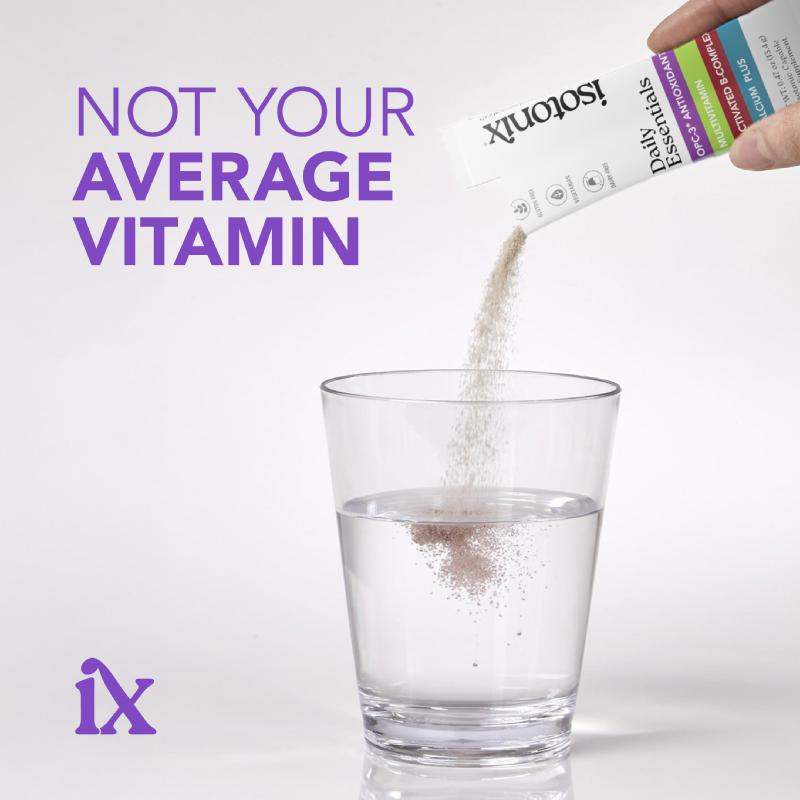
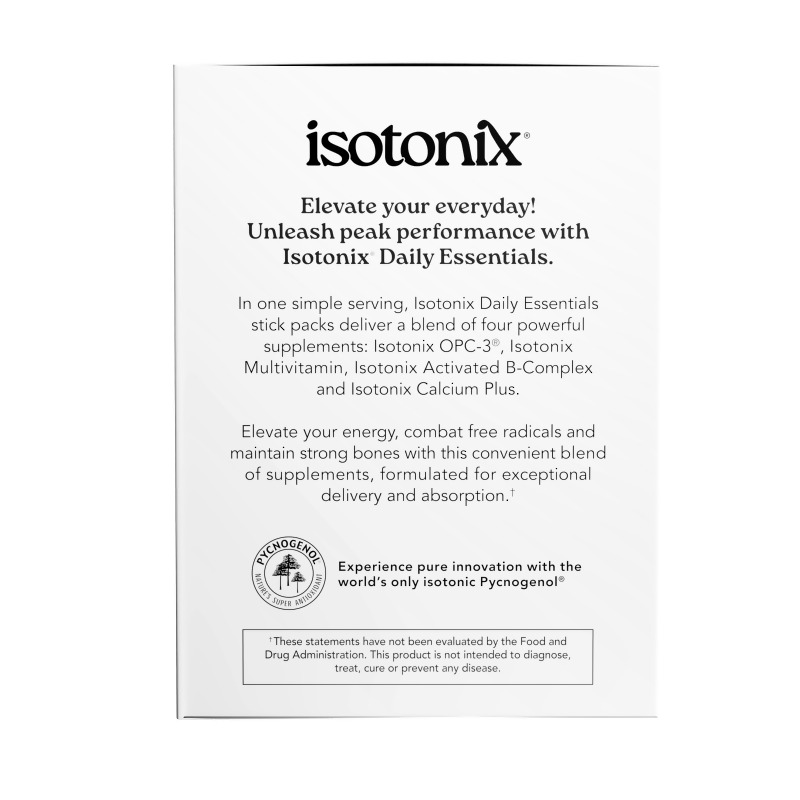
没有什么比每天照顾自己更重要的了。Isotonix每日精选营养组合包可为身体提供必需的维生素、矿物质及营养素,本产品拥有四项重要营养保健品 — Isotonix OPC-3(含碧容健®)、Isotonix综合维生素粉末、Isotonix复方维生素B粉末、Isotonix强钙配方粉末,可促进身体达到最佳营养与健康状态 。此外,购买Isotonix每日精选营养组合包比分别购买30天份的这些产品更可让您省钱。关爱您的整体健康首先从Isotonix OPC-3(含碧容健®)开始,它是一种强效抗氧化物,为您的整体健康与福祉提供多种健康益处。Isotonix OPC-3(含碧容健®)有助维持健康的胆固醇值、关节灵活度、心血管健康和循环系统,透过对抗体内的自由基,帮助身体机能达到巅峰状态。Isotonix综合维生素粉末包含必要的维生素和矿物质,其含量达到或超过每日建议摄取量,以补足膳食的营养缺陷。由于现今快节奏的生活方式,确保及时为身体供给所需能量十分重要。Isotonix综合维生素粉末有助于弥补饮食的不足,维持正常的代谢功能。每份随身包内含Isotonix复方维生素B粉末,提供多种代谢活性形态的维生素和矿物质,可带给您每日所需的充沛精力。活性形态非常重要,因为其他多数维生素B群产品采用传统形式的维生素B6、B12和叶酸,必须经过化学变化才能被人身体吸收。年龄与营养状况等因素可能会降低身体活化这些维生素的能力。这些代谢活性形态的维生素以等渗透溶液形式迅速、有效地将营养素传输到身体。缺乏维生素B会导致疲劳与精神不佳,因此维生素B群营养保健品在提振精神与减轻压力方面是很好的选择。Isotonix强钙配方粉末可为人体提供高效的钙及辅助营养素,维持您强健的骨骼。相较于锭状制剂的钙补充品难以被身体吸收的缺点,独有的等渗透营养传输系统与其中有益的维生素和矿物质(包括维生素D)使Isotonix强钙配方粉末可以被身体直接获得并更容易地吸收。
查看详细信息益处
随身包方便携带,内含四种顾客最爱的必需产品:
- Isotonix OPC-3(含碧容健®)
- 今日市场上最强大的抗氧化营养补充品!
- Isotonix®综合维生素粉末
- 获得全方位营养!
- Isotonix®复方维生素B粉末
- 补充维生素B群
- Isotonix®强钙配方粉末
- 维持强壮骨骼与健康的牙齿、牙龈不可或缺的营养
Isotonix OPC-3®是当今市场上最强效的抗氧化营养补充品!提供完整的抗氧化保护。
- 促进心血管健康,并且:
- 有助维持健康的胆固醇与血糖值
- 强化毛细血管、动脉和静脉血管,以保持健康的循环系统
- 促进健康的血管舒张
- 具有抗发炎作用,可促进关节健康
Isotonix®综合维生素粉末获得全方位营养!
- 包含人体必需维生素和矿物质,其含量达到或超过每日摄取建议量。
- 支援强健的免疫系统
- 补充膳食营养不足
Isotonix®强钙配方粉末对维持强壮的骨骼与健康的牙齿、牙龈必不可少!
- 支持骨骼健康
- 促进酵素与荷尔蒙分泌的正常调节功能
- 可支持心血管健康
Isotonix®复方维生素B粉末可强化补充您的维生素B群,提供活性形态的维生素B6、B12及叶酸
- 提升能量,加强最佳能量产生过程
- 促进神经系统、骨髓和肠道的健康
- 促进心血管健康
- 保持血清素的健康水平,从而减轻压力、改善情绪
*上述文字未经美国食品药物管理局评估。本产品无意用于诊断、治疗、治愈或预防任何疾病之用。
素食产品 — 本产品为素食产品
等渗透压营养保健产品 — 能让身体快速吸收的可饮用液状营养保健品;个人效果可能不同
产品详情
关爱您的整体健康首先从Isotonix OPC-3(含碧容健®)开始,它是一种强效抗氧化物,为您的整体健康与福祉提供多种健康益处。Isotonix OPC-3(含碧容健®)有助维持健康的胆固醇值、关节灵活度、心血管健康和循环系统,透过对抗体内的自由基,帮助身体机能达到巅峰状态。Isotonix综合维生素粉末包含必要的维生素和矿物质,其含量达到或超过每日建议摄取量,以补足膳食的营养缺陷。由于现今快节奏的生活方式,确保及时为身体供给所需能量十分重要。Isotonix综合维生素粉末有助于弥补饮食的不足,维持正常的代谢功能。每份随身包内含Isotonix复方维生素B粉末,提供多种代谢活性形态的维生素和矿物质,可带给您每日所需的充沛精力。活性形态非常重要,因为其他多数维生素B群产品采用传统形式的维生素B6、B12和叶酸,必须经过化学变化才能被人身体吸收。年龄与营养状况等因素可能会降低身体活化这些维生素的能力。这些代谢活性形态的维生素以等渗透溶液形式迅速、有效地将营养素传输到身体。缺乏维生素B会导致疲劳与精神不佳,因此维生素B群营养保健品在提振精神与减轻压力方面是很好的选择。Isotonix强钙配方粉末可为人体提供高效的钙及辅助营养素,维持您强健的骨骼。相较于锭状制剂的钙补充品难以被身体吸收的缺点,独有的等渗透营养传输系统与其中有益的维生素和矿物质(包括维生素D)使Isotonix强钙配方粉末可以被身体直接获得并更容易地吸收。
了解更多
成分
葡萄籽萃取物主要提取自红葡萄(而非白葡萄)的籽,含有大量原花色素(OPC)。葡萄籽萃取物含极丰富的多酚类,这是一种具有高抗氧化活性的化合物。葡萄籽萃取物已证实可维持健康的胆固醇值。*
红酒萃取物 25毫克
红酒萃取物是强效抗氧化物,存在于葡萄植株的藤、根、籽及茎中,而其在葡萄皮中含量最高。红酒萃取物的抗氧化特质可以巩固微血管、动脉和静脉,有助维持健康的血液循环和提升整体心血管健康。*
90年代末期,科学家注意到法国人的一个特殊现象。法国某些省份的居民习惯食用高脂肪食物,并饮用红酒,然而他们罹患心血管疾病的比例却非常低。科学家得出结论:红酒所具有的保护特性多年来帮助法国人维护心脏健康。后续的科学研究更进一步证实,红酒中所含的OPC对维护心脏和血管的健康大为有益。*
松树皮萃取物(碧容健®)25毫克
碧容健是提取自海岸松树皮的天然植物萃取物,这种松树仅生长在Les Landes de Gascogne(朗德省加斯科尼地区)的沿岸。这片不受污染的天然树林是松树皮的唯一来源。碧容健是天然产品巿场上研究最为充分的成分之一。已发表的研究发现表明碧容健具有广泛的健康益处。松树皮萃取物与原花青素、生物类黄酮及有机酸是全天然的成分组合。
此萃取物拥有三项基本特质:抗氧化、选择性结合胶原蛋白及弹力蛋白,并且它还可协助内皮细胞制造一氧化氮,一氧化氮能促进血管的正常舒张。*
作为最强效的天然自由基清除剂之一,碧容健能够在众多有害自由基对重要器官造成氧化压力之前对抗它们。碧容健®作为最强效、天然的自由基对抗物,能去除所有具侵略性的自由基,使自由基不能藉着氧化压力损害人体。碧容健®的强超抗氧化能力有助支援健康的血小板活动,维持血糖正常值,缓解轻度经痛与腹痛,维持关节灵活,提升心血管健康,提升健康的生殖机能,维持正常的胆固醇值,支援健康气色。*
山桑子萃取物 25毫克
山桑子萃取物来自一种欧洲常见的矮灌木,取自其叶子与像莓子的果实,这种矮灌木是蓝莓的近亲。成熟的莓类萃取物含有称为花青素的类黄酮色素,是一种强效的抗氧化剂。科学研究证明,山桑子萃取物有益于视力及静脉循环健康。山桑子萃取物能够强化微血管、动脉和静脉血管,从而保持健康的循环系统。*
柑橘类萃取物(生物类黄酮)25毫克
生物类黄酮是一种抗氧化物,作为滤光器存在于某些植物中,它透过吸收紫外线来保护易受损的DNA链和其他重要的大分子。现已发现生物类黄酮可提升心血管健康,巩固微血管、动脉和静脉,有助维持健康的血液循环,并且有消炎作用。*
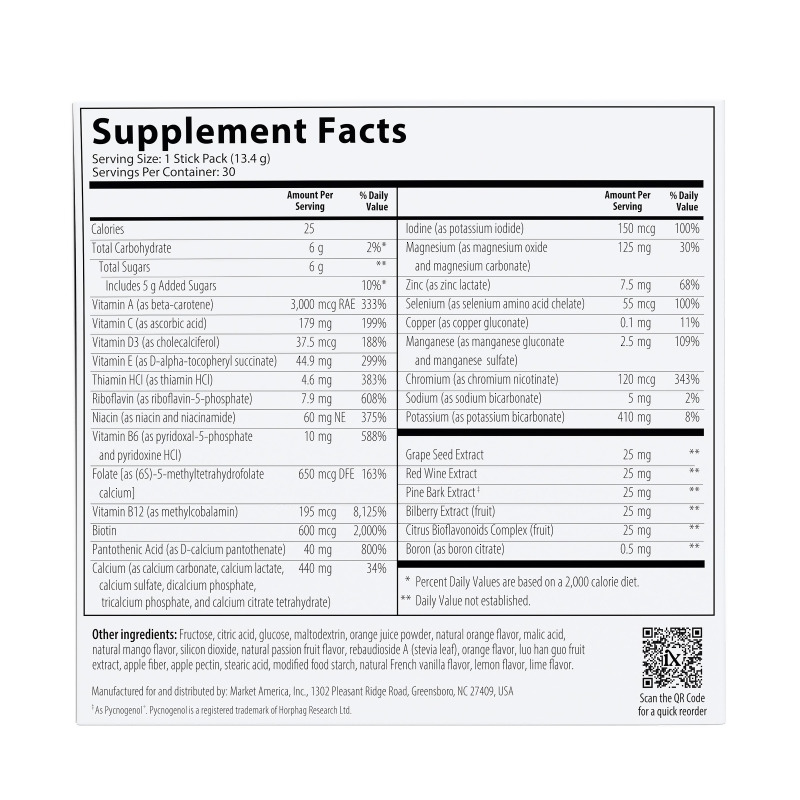
维生素A(β-胡萝卜素/维生素A前驱物)10,005国际单位
维生素A是脂溶性维生素。维生素A的来源包括动物内脏(如肝脏和肾脏)、蛋黄、黄油、胡萝卜汁、南瓜、红薯、菠菜、桃子、强化乳制品和鳕鱼肝油。维生素A与视黄醇、视黄醛和β-胡萝卜素属于同一类复合物。β-胡萝卜素又名原维生素A,当身体需要额外数量时,便可以被转化成维生素A。所有身体组织都需要维生素A来支援生长发育与修复。维生素A有助于促进健康的夜视力,支援骨骼的正常生长,支援抗氧化防御和健康的免疫系统。*
维生素C(抗坏血酸)179毫克
维生素C存在于椒类(甜椒、青椒、红椒、红辣椒及青辣椒)、柑橘类水果、球芽甘蓝、花椰菜、卷心菜、羽衣甘蓝、宽叶羽衣甘蓝、芥菜、绿花椰菜、菠菜、番石榴、猕猴桃、醋栗及草莓。坚果类及谷类亦含有少量维生素C。需要注意的是,烹煮会破坏维生素C的活性。
维生素C可支援健康的免疫系统,促进心血管健康,帮助维持健康的胆固醇水平,并提供抗氧化防护。人体自身无法制造、也无法储存维生素C。因此,必须得从膳食和营养补充品中来摄取维生素C。*
硫胺素(维生素B1)4.6毫克
硫胺素对碳水化合物的代谢和神经功能不可或缺。硫胺素为健全的神经系统所需,并协助制造神经传导物质乙醯胆碱和γ-胺基丁酸(GABA)。硫胺可用来生产盐酸,因此有益消化、提升能量,并帮助促进头脑清晰度。*
泛酸(维生素B5)40毫克
泛酸(B5)是帮助胆碱转化为乙酰胆硷的转换剂。乙酰胆硷有助维持正常的大脑神经传导活动。泛酸也被称为抗压维生素,这是因为它可帮助大脑组织排毒,有助于纾解生理与情绪压力,并在荷尔蒙分泌方面扮演重要角色。*
烟碱酸(维生素B3)60毫克
烟碱酸是水溶性的维生素,为健康、生长和生殖的许多层面所必需。它是维生素B群的成员之一。烟碱酸帮助维持正常的消化功能,以及皮肤和神经的生长。同时也有助于转化食物为能量。烟碱酸(一般又称为维生素B3)多存在于乳制品、家禽、鱼类、瘦肉、坚果、蛋、豆类、营养强化面包以及早餐谷类中。*
维生素B12(氰钴胺及甲基氰钴胺)195微克
维生素B12天然存在于在肉类、肝脏、牛肉、猪肉、蛋类、全脂牛奶、乳酪、全麦面包和鱼类中。通常维生素B12只存在于动物制品中,少量存在于花生以及味噌、豆豉等黄豆发酵制品中。素食者须补充维生素B12以维持最佳的健康。人体摄取的维生素B12储存于肝脏和其他组织内,以供日后使用。合成的维生素B12,也就是氰钴胺,无法由植物或动物本身萃取,对于维护细胞正常功能,尤其是神经系统(保护神经细胞鞘)、骨髓,以及肠道的细胞,有着举足轻重的影响力。若维生素B12不足,上述三个地方会表现得最明显。维生素B12本身负责维持最佳的精力状态,因为它在克氏能量循环中发挥着关键的作用。它同时也是一种重要的抗老化成分,并有助增强专注力。*
核黄素5-磷酸盐 (维生素B2)7.8毫克
维生素B2存在于肝脏、乳制品、深绿色蔬菜和某些种类的海鲜。维生素B2是一种辅酵素,和其他的维生素B协同作用,维生素B2促进血液健康,支援神经系统和人体正常生长。它可支援皮肤、指甲和头发的健康生长,有助于维持健康的甲状腺。维生素B2是电子传送链的一部分,在微观层面上提高分子能量。在将食物转换为能量的过程中扮演关键的角色,维生素B2有助脂肪分解,同时做为辅因子或帮手活化维生素B6和叶酸。维生素B2为水溶性维生素,只有极少量储存于体内,因此必须每日补充。在某些情况下,维生素B2可做为抗氧化剂。核黄素辅酶有助转化维生素B6及叶酸的活性,同时帮助色胺酸转化为烟碱酸。*
盐酸吡哆醇(维生素B6)10毫克
维生素B6的主要膳食来源是家禽、鱼类、全谷物和香蕉。维生素B6是蛋白质和氨基酸代谢所必需的辅助因子,并且有助于维持适当的液体平衡。协助维护健康的红血球细胞和白血球细胞。维生素B6是血红蛋白合成的必要成分。它同时参与大脑神经传导和周围神经细胞的制造。因此,建议摄取维生素B6营养补充素,以增进心理机能及安定情绪。维生素B6有助正常神经传导。某些运动员的营养保健品中包含了维生素B6,因为它可帮助肌肉组织所需的糖原转化为葡萄糖。维生素B6与叶酸一起使用时能够帮助维持正常的血浆同半胱胺酸水平,同半胱胺酸则能促进良好的心血管健康。维生素B6应该加入其他维生素B群,以达到最佳效果。*
维生素D3(胆钙化醇)1,500国际单位
经常晒太阳是大多数人获得维生素D的主要途径。维生素D的饮食来源包括维生素D强化牛奶(每杯含100国际单位)、鳕鱼肝油以及富含脂肪的鱼类,例如鲑鱼。蛋黄和肝脏中含有少量维生素D。维生素D可以帮助吸收钙质和磷,它还协助制造数种有助于钙质吸收和储存的蛋白质。维生素D与钙协效作用,能够强壮骨胳。维生素D可促进成骨细胞中的钙主动运送至细胞外液和肾脏,帮助肾小管顺利吸收钙和磷酸盐。维生素D亦有助于肠上皮细胞吸收食物中的钙和磷酸盐。它能促进组织的健康生长与修护,并维护皮肤的整体健康。*
维生素E(d-α-生育醇琥珀酸)66国际单位
维生素E最主要的膳食来源包括植物油、人造黄油、坚果、种子、牛油果和小麦胚芽。红花油富含大量的维生素E(1/4杯中就约有2/3的每日建议摄取量),而玉米油和大豆油的含量则较少。维生素E实际上是被称为生育醇与生育三烯酚这两种相关复合物的家族。维生素E可以从天然或人工合成两种途径获得。绝大多数情况下,天然形式和合成形式完全相同,但天然形式的维生素E更容易被体内吸收及留存。天然形式的α生育醇又被称为“d-α生育醇”。(Isotonix®综合维生素粉末中所含的天然形式。)合成的dl-形式最常见于膳食营养保健产品中。节食的人通常会关注他们饮食中的脂肪摄取量,由于减少高脂肪食物的摄取,他们有可能因此造成维生素E摄取不足。*
补充维生素E对健康的主要益处来自其增强免疫的抗氧化活性。维生素E也可支援正常的愈合过程,并以维护心血管健康而闻名。维生素E是体内最有效的脂溶性抗氧化物之一。维生素E可保护细胞膜免于自由基的伤害。*
钙(乳酸钙、磷酸钙)467毫克
钙存在于牛奶、乳酪、优格、墨西哥玉米饼、大白菜、羽衣甘蓝和绿花椰菜中。钙质是一种具有广泛生物功能的重要矿物质。钙主要以羟基磷灰石 (Ca10 (PO4)6 (OH) 2) 的形式存在于骨骼中。氢氧基磷灰石大约占骨骼重量的40%。骨骼对钙具有明显的结构需求。同时骨骼也是钙的储藏室。钙不仅是骨骼与牙齿的主要构成元素,同时还可促进正常的肌肉收缩、神经传导及心血管健康以及能量产生,並有助于维护健康的免疫系统。*
人们每日必需摄取足够的钙,以维持最佳的骨质密度,维护骨骼与牙齿健康。经证实,钙可舒缓妇女经前症侯群的症状。若没有每日摄取足够的钙,身体会从骨骼中吸取钙,造成骨质流失,导致骨质疏松症。骨质疏松症是与年纪相关的骨质流失现象,可能会导致髋骨、肋骨、骨盆及其它脆弱部位的骨头断裂。此外,与年老相关的弯腰驼背是由脊椎小部位的断裂慢慢累积而造成的。*
PTH(甲状旁腺激素)负责调节血液中的钙含量。体内充足的钙质可维护停经后妇女的心血管健康,并维持正常的胆固醇水平。缺乏钙会减少骨量,导致骨质疏松症。*
铬(烟硷酸)120微克
铬天然存在于某些谷类、肉类、家禽类、啤酒酵母、绿花椰菜、加州蜜枣、菇类、鱼类及啤酒中。铬是一种必要的微量矿物质,能促进正常的葡萄糖代谢,调节胰岛素水平,并有助于人体维持血液中胆固醇及其他脂肪的正常水平。铬能够帮助身体组成葡萄糖耐量因子GTF,促进胰岛素正常运作,以调节血糖值。研究显示,铬有助于减少整体体脂、控制饥饿感及抑制食欲。减重行业中的许多人将铬视为维持体重不可或缺的矿物质。铬亦或有助于增加瘦体及肌肉量。*
铜(葡萄糖酸铜)100微克
含铜丰富的食物包括动物内脏、海鲜、坚果、种子、谷物麦麸、全谷物产品和可可产品。铜具有一定的抗氧化特性,在铁代谢中作为酵素的组成部分。它是一种人体必需的微量矿物质。婴儿的正常发育、铁质传输、骨骼强度、胆固醇代谢、心肌收缩、葡萄糖代谢、大脑发育及免疫功能都离不开铜。*
碘(碘化钾)150微克
碘存在于大多数海鲜和加碘盐中。它是形成甲状腺激素的必要元素,有助于调节并维护适当的代谢功能。*
镁(碳酸镁)125毫克
富含镁的食物包括全谷物、坚果和绿色蔬菜。绿叶蔬菜含有丰富的镁,主要是因为其叶绿素。肉类、淀粉类和牛奶的镁含量较少。经过加工处理的精制食物一般而言镁的含量都相当低。美国九岁及以上的男性与女性,平均每天的镁摄取量估计分别约为323毫克、228毫克。*
镁是骨骼内矿物质部分的其中一种成分,是成年人代谢钾及钙所必须的元素。镁有助维持体内钾、磷、钙、肾上腺素及胰岛素的正常水平。镁也能促进钙的移动,将它运送到细胞内进一步利用。肌肉和神经组织的运作也需要镁。镁促进所有蛋白质、核酸、核苷酸、环腺苷酸、脂质及碳水化合物的合成。*
镁是能量释放所必需的,可促进正常的体温调节及健全的神经功能,并协助身体适应压力,促进健康的新陈代谢。镁与钙协同作用,可促进心脏与血压的正常调节。镁同时也是健康的骨骼和牙齿所不可或缺,并有助健康的肌肉发育。镁、钙及维生素D三者共同维持骨骼健康。镁还可通过支持正常的血小板活动以促进心血管健康,并帮助维持正常的胆固醇水平。*
锰(葡萄糖酸锰)2.5毫克
锰是一种大量存在于动植物体内的矿物质。含锰丰富的食物来源包括全谷物、坚果、多叶蔬菜和茶。谷物的麸皮中含有大量的锰,但麸皮通常会在谷物加工过程中被去除。营养补充品中的锰有多种不同形式,包括葡萄糖酸锰、硫酸锰、抗坏血酸锰、胺基酸螯合锰等等。
人体组织中仅含有微量这种元素。锰主要储存于骨骼、肝脏、肾脏和胰腺内。锰可协助结缔组织、骨骼、凝血因子以及性激素的正常形成。它可促进脂肪与碳水化合物的正常代谢、钙的吸收与血糖调节。锰亦促进大脑与神经的正常功能。*
钾(碳酸氢钾)406毫克
富含钾的食物包括新鲜蔬果,例如香蕉、柑橘、哈蜜瓜、酪梨、生菠菜、甘蓝菜和芹菜。钾是一种身体必需的巨量矿物质,有助于维持体液平衡。钾也在多种生化和生理过程中发挥重要作用。此外,钾也有助于支援神经脉冲、心脏、骨骼和平滑肌的正常收缩,以及正常的能量生成与核酸合成,并维持细胞内渗透压与正常的血压。钾有助正常的肌肉放松以及胰岛素分泌。同时还可促进糖原和蛋白质的合成。钾是一种可促进正常心跳的电解质。钾对于蛋白质、脂肪,与碳水化合物在代谢过程中的能量释放也很重要。*
钾还有助于调节人体的水份平衡,协助恢复能力。钾可支援正常排出体内废弃物。钾能促进正常的疗愈过程,全面提升幸福感。钾储存于肌肉内。*
硒(氨基酸螯合物)55微克
硒的最佳饮食来源包含坚果、未加工谷类、糙米、小麦胚芽和海鲜。硒是人体内一种名为”谷胱甘肽过氧化物酵素”的抗氧化酵素的组成部分,它能促进身体正常生长,并促进在甲状腺运作时合理使用碘。硒有助提高维生素E的抗氧化功效,也常被加入维生素E营养保健品内。硒作为谷胱甘肽过氧化物酵素中的抗氧化物成员,硒在提高身体保护细胞免受自由基侵害的能力方面发挥直接作用。*
锌(乳酸)7.5毫克
富含锌的食物包括营养强化谷类食品、红肉、蛋类、家禽和牡蛎等特定海鲜。锌是多种酵素和蛋白质的组成元素。它也与基因表现的调节有关。锌是一种人体必需的微量矿物质,参与三百多种不同的酵素反应。因此,锌参与几乎所有的生化途径和生理过程。体内超过90%的锌储存在骨骼和肌肉中,但锌几乎存在于所有人体组织中。锌已被宣称能支援身体正常的疗愈能力与免疫系统,促进前列腺健康,并可支援健康的精子品质。由于锌参与如此众多的酵素过程,现已发现锌在人体消化、能量的产生、生长发育、细胞修复、胶原蛋白合成、骨骼健壮、认知功能以及碳水化合物代谢等方面都起着极其重要的作用。*
生物素(维生素B7)600微克
生物素的膳食来源包括蛋黄、花生、牛肝、牛奶(10微克/每杯)、早餐谷类、杏仁及啤酒酵母。生物素有助于细胞的健康成长,脂肪酸的制造,以及脂肪和氨基酸的代谢。生物素作用于有氧呼吸时所产生的生化能量,也就是所谓的柠檬酸循环。生物素不只促进数种代谢化学的转化,同时也帮助二氧化碳的转移。生物素对于维持稳定的血糖也相当有帮助。生物素常被推荐用来强健头发和指甲。
硼(硼酸钠)5毫克
硼是一种矿物质,大量存在于植物类食物中,如果干、坚果、深绿叶蔬菜、苹果酱、葡萄汁及烹熟的干豆与豌豆。硼存在于大多数的人体组织中,主要分布在骨骼、脾与甲状腺。硼可支援正常的骨骼与荷尔蒙代谢。
硼支援身体的构建能力,维持健康的骨骼。它也可帮助保存充足的钙和镁,以促进适当的骨骼矿化。硼更是维生素D转换为其活性形态必不可少的辅因子。它可增强对健康细胞膜的维护,提高正常心智功能和警觉性,以及支援血清中正常的雌激素与离子钙浓度。
常见问题
每份包装包含以下产品各一瓶盖:Isotonix OPC-3(含碧容健)、Isotonix综合维生素粉末、Isotonix复方维生素B粉末以及Isotonix强钙配方粉末。
Isotonix®营养保健产品为何优于普通营养补充品?
Isotonix配方比普通营养补充品更有效,因其提供最好的传输方式,可以将维生素与矿物质最大限度地输送到血液中。Isotonix配方也是汲取维生素、矿物质和营养素最快速、最有效的方法。因为溶液的酸碱值和张力经过精心调配,胃可以毫不费力地将所有的营养素快速释放到小肠。Isotonix配方的吸收过程大约只需五分钟,而一片标准的维生素锭剂可能要长达四个小时。
Isotonix OPC-3与其他生物类黄酮产品有何不同?
Isotonix OPC-3(含碧容健®)提供科学支持的原花色素(OPC),对人类健康来说,这些原花色素已被证实是最强大的抗氧化物。除了作为强效抗氧化物外,这些原花色素皆被证实能提供多方面的健康益处。OPC-3所包含的以科学为本的原花色素组合是独有的,而它的Isotonix等渗透营养传输系统也是同样独有的,这系统让人体能迅速并高度有效地吸收原花色素。强效的营养素结合高效的传输系统,让OPC-3成为最强大的清除自由基的产品。*
我为何需要Isotonix综合维生素粉末?
高品质的维生素及矿物质营养补给品,能为均衡的饮食带来完整的微量营养素基础。维生素与矿物质有助于支援免疫系统的健康、促进将食物转换成能量、支援健康的心血管系统、支援骨骼强健、促进头脑清晰度、维持代谢功能正常、促进组织的健康成长与修护、帮助维持正常血压,并有助于平衡体内的水份和电解质。
Isotonix复方维生素B粉末中的“活性”是什么意思?
活性指的是维生素B6、B12、和叶酸的活性形态。非活性形态的维生素需要经过酵素活化,之后才能被身体利用。这不只会消耗较多时间和身体的能量,在有些情况中这种反应会被减缓或是抑制。
为什么要摄取钙?
根据美国卫生署的报告,每天服用钙补充品对于预防和治疗钙缺乏症以及帮助降低骨质疏松的风险十分关键。目前,在美国超过1/3的绝经后妇女被骨质疏松症所困扰。近期的医学统计显示,上了年纪的男性也有可能会罹患骨质疏松症。*
每个人都需要钙。几乎没有人可从其日常饮食中摄取到足够的钙。钙不仅有助于支持和维护骨骼的完整性,作为一种矿物质,钙有积极的作用。它对于保持许多体内的酵素的活性和保持适当的体液平衡非常重要。Isotonix强钙配方粉末还可以促进肌肉的正常收缩和骨骼健康
我身体健康又爱好运动,为什么还要食用Isotonix OPC-3?
由于自由基对身体的持续损害,造成老化现象,每个人对此都无能为力,而运动员面对的氧化压力更高。氧气与卡路里反应的代谢过程中,会产生自由基作为副产品。运动员运动时所吸入的氧气量比静止时高出10至20倍,而增加的运动量会产生更多自由基。事实上,这些自由基也会影响运动员表现,因为自由基似乎也会影响肌肉组织。研究发现,业余运动员食用原花色素后,耐力增加了20%,此研究采用的对照组别则食用外表相似的食品。另一项研究也显示,食用原花色素的运动员在运动中与运动后的酸痛也大大减低。此外,Isotonix OPC-3有助维持正常的血液流通,这能支持肌肉的氧气供应。*
Isotonix每日精选营养组合包内的产品有哪些食用注意事项或禁忌?
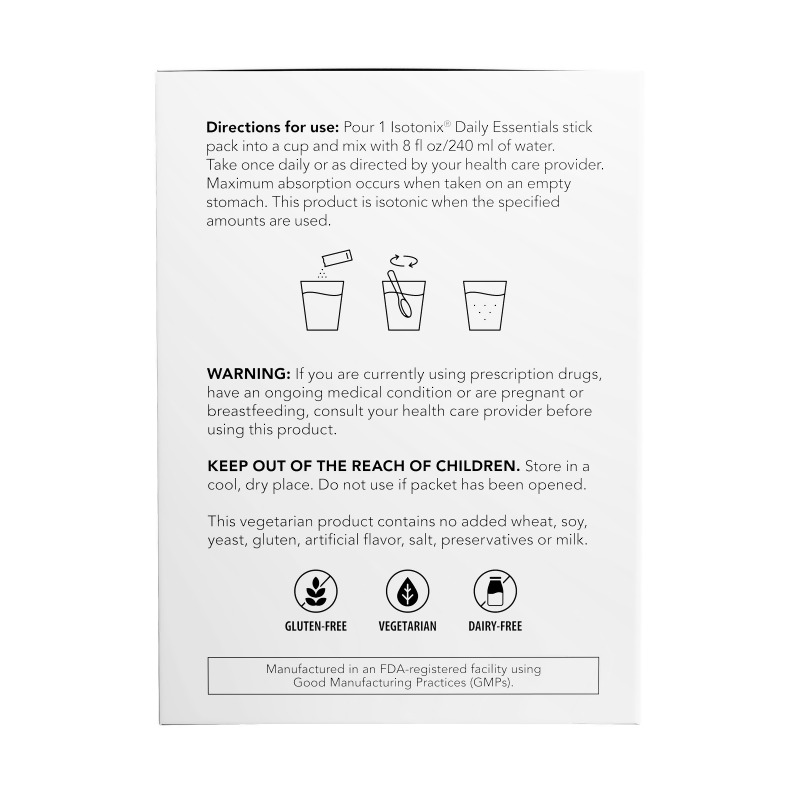
Isotonix OPC-3(含碧容健®)、Isotonix综合维生素粉末、Isotonix复方维生素B粉末与Isotonix强钙配方粉末是素食产品,不含小麦、麸质、黄豆、酵母、人工调味剂、淀粉、盐、防腐剂,或奶制品。
如果您目前患有疾病或正在服用处方药物,或者为怀孕或哺乳中妇女,使用本品前请先向医护人员咨询。
科学
• Bayeta, E., et al. Pycnogenol inhibits generation of inflammatory mediators in macrophages. Nutrition Research 20: 249-259, 2000.
• Blazsó, G., et al. Anti-inflammatory and superoxide radical scavenging activities of a procyanidins containing extract from the bark of Pinus pinaster Sol. and its fractions. Pharm Pharmacol Lett 3: 217-20, 1994
• Cesarone, M., et al. Improvement in Circulation and in Cardiovascular Risk Factors With a Proprietary Isotonic Bioflavanoid Formula OPC-3. Journal Angiology 59: 408-414, 2008.
• Cho, K., et al. Effect of bioflavonoids extracted from the bark of Pinus maritima on proinflammatory cytokine interlukin-1 production in lipopolysaccharide-stimulated RAW 264. 7. Toxicology and Applied Pharmacology 168: 64-71, 2000.
• Cho, K., et al. Inhibition mechanisms of bioflavonoids extracted from the bark of Pinus maritima on the expression of proinflammatory cytokines. Annals of the NYAcademy of Sciences 928: 141-156, 2001.
• Devaraj, S., et al. Supplementation with a pine bark extract rich in polyphenols increases plasma antioxidant capacity and alters the plasma lipoprotein profile. Lipids 37:931-4, 2002.
• Fine, AM, Oligomeric proanthocyanidin complexes: history, structure, and phytopharmaceutical applications. Altern Med Rev 5:144-51, 2000.
• Fitzpatrick, D., et al. Endothelium-dependent vascular effects of Pycnogenol. Journal of Cardiovascular Pharmacology 32: 509-515, 1998.
• Frankel, E., et al. Inhibition of oxidation of human low-density lipoprotein by phenolic substances in red wine. Lancet 341: 454-7, 1993.
• Freedman, J., et al. Select flavonoids and whole juice from purple grapes inhibit platelet function and enhance nitric oxide release. Circulation 103:2792-8, 2001.
• Frémont, L. Biological effects of resveratrol. Life Sciences 66: 663-673, 2000.
• Gulati, O. Pycnogenol® in venous disorders: a review. European Bulletin of Drug Research 7: 1-13, 1999.
• Hosseini, S., et al. Pycnogenol® in the management of asthma. Journal of Medicinal Food 4: 201-209, 2001. HHHh
• Kohama, T., et al. The treatment of gynecological disorders with Pycnogenol®. European Bulletin of Drug Research 7: 30-32, 1999.
• Kohama, T., et al. Analgesic efficacy of French maritime pine bark extract in dysmenorrhea. Journal of Reproductive Medicine 49: 828-32, 2004.
• Liu, X., et al. Antidiabetic effect of Pycnogenol French maritime pine bark extract in patients with diabetes type II. Life Sci 75:2505-13, 2004.
• Liu, X., et al. French maritime pine bark extract pycnogenol dose-dependently lowers glucose in type 2 diabetic patients. Diabetes Care 27: 839, 2004.
• Manna, S., et al. Resveratrol suppresses TNF-Induced activation of nuclear transcription factors NF-kB, activator protein-1, and apoptosis: potential role of reactive oxygen intermediates and lipid peroxidation. The Journal of Immunology 164: 6509-19, 2000.
• Maritim, A., et al. Effects of pycnogenol treatment on oxidative stress in streptozotocin-induced diabetic rats. J Biochem Mol Toxicol 17:193-9, 2003.
• Miyagi, Y., et al. Inhibition of human low-density lipoprotein oxidation by flavonoids in red wine and grape juice. Am J Cardiol 0:1627-31, 1997.
• Monograph. Vaccinium myrtillus (bilberry). Altern Med Rev 6:500-4, 2001.
• Murias M., et al. Resveratrol analogues as selective cyclooxygenase-2 inhibitors: synthesis and structure-activity relationship. Bioorg Med Chem 12: 5571-8, 2004.
• Nuttall SL, Kendall MJ, Bombardelli E, Morazzoni P. An evaluation of the antioxidant activity of a standardized grape seed extract, Leucoselect. J Clin Pharm Ther 23: 385-89, 1998.
• Packer, L., et al. Antioxidant activity and biologic properties of a procyanidin-rich extract from pine (Pinus maritima) bark, pycnogenol. Free Radic Biol Med 27:704-24, 1999. Review.
• Rohdewald, P. A review of the French maritime pine bark extract (Pycnogenol®), a herbal medication with a diverse clinical pharmacology. Int J Clin Pharmacol Ther 40:158-68, 2002. Review.
• Rohdewald, P. Pycnogenol®. In "Flavonoids in Health and Disease". Ed. Catherine Rice-Evans and Lester Packer. New York: Marcel Dekker, Inc., 1998. 405-19.
• Roseff, S., et al. Improvement in sperm quality and function with French maritime pine tree bark extract. Journal Reproductive Medicine 47: 821-4, 2002.
• Roseff, S., et al. Improvement of sperm quality by Pycnogenol®. European Bulletin of Drug Research 7: 33-6, 1999.
• Saito, M., et al. Antiulcer activity of grape seed extract and procyanidins. J Agric Food Chem 46: 1460-4, 1998.
• Schönlau, F., et al. Pycnogenol® for diabetic retinopathy. International Ophthalmology 24: 161-171, 2002.
• Schönlau, F., et al. The cosmeceutical Pycnogenol®. J Appl Cosmetology 20: 241-6, 2002.
• Segger, D. and Schönlau, F. Supplementation with Evelle® improves skin smoothness and elasticity in a double blind, placebo-controlled study with 62 women. Journal of Dermatological Treatment 15:222-26, 2004.
• Shi, J., et al. Polyphenolics in grape seeds-biochemistry and functionality. J Med Food 6:291-9, 2003. Review.
• Sharma, S., et al. Pycnogenol® inhibits the release of histamine from mast cells. Phytotherapy Research 17: 66-69, 2003.
• Spadea, L., et al. Treatment of vascular retinopathies with Pycnogenol®. Phytotherapy Research 15: 219-23, 2001.
• Stein, J., et al. Purple grape juice improves endothelial function and reduces the susceptibility of LDL cholesterol to oxidation in patients with coronary artery disease. Circulation 100:1050-5, 1999.
• Takada, Y., et al. Nonsteroidal anti-inflammatory agents differ in their ability to suppress NF-kappaB activation, inhibition of expression of cyclooxygenase-2 and cyclin D1, and abrogation of tumor cell proliferation. Oncogene 23: 9247-58, 2004.
• Ueda, T., et al. Preventative effect of natural and synthetic antioxidants on lipid peroxidation in the mammalian eye. Ophthalmic Res 28: 184-92, 1996.
• Wallerath, T., et al. Resveratrol, a polyphenolic phytoalexin present in red wine, enhances expression and activity of endothelial nitric oxide synthase. Circulation 106:1652-8, 2002.
• Watson, R. Pycnogenol® and cardiovascular health. Evidence-Based Integrative Medicine 1: 27-32, 2003.
• Wei, Z., et al. Pycnogenol enhances endothelial cell antioxidant defense. Redox Report 3: 219-24, 1997.
• Yamakoshi, J., et al. Proanthocyanidin-rich extract from grape seeds attenuates the development of aortic atherosclerosis in cholesterol-fed rabbits. Atherosclerosis 142:139-149, 1999.
• Ames, BN, et al. Oxidants, antioxidants, and the degenerative diseases of aging. Proc Natl Acad Sci USA 90:7915-7922, 1993.
• Bagchi, D, et al. Oxygen free radical scavenging abilities of vitamins C and E, and a grape seed proanthocyanidin extract in vitro. Res Commun Mol Pathol Pharmacol 95:179-89, 1997.
• Bagchi, D, et al. Free radicals and grape seed proanthocyanidin extract: importance in human health and disease prevention. Toxicology 148: 187-97, 2000.
• Bagchi, D, et al. Cellular protection with proanthocyanidins derived from grape seed. Ann NY Acad Sci 957:260-70, 2002.
• Cao G, Alessio H, Cultler R. Oxygen-radical absorbance capacity assay for antioxidants. Fre Rad Biol & Med 14:301-11, 1993.
• Drew B, Leeuwenburgh C. Aging and the role of reactive nitrogen species. Ann NY Acad Sci 959:66-81, 2002.
• Gibson, L, et al. Effectiveness of cranberry juice in preventing urinary tract infections in long-term care facility patients. J Naturopathic Med 2:45-47, 1991.
• Graham DY, Smith JL, Bouvet, AA. What happens to tablets in the stomach. J Pharm Sci 79:420-24, 1990.
• Havsteen B. Flavonoids, a class of natural products of high pharmacological potency. Biochem Pharm 32:1141-48, 1983.
• Halpern, MJ, et al. Red wine polyphenols and inhibition of platelet aggregation: possible mechanisms, and potential use in health promotion and disease prevention. J Int Med Res 26:171-80, 1998.
• Joseph JA, Shukitt-Hale B, Denisova NA, Bielinksi D, Martin A, McEwen JJ, Bickford PC. Reversals of age-related declines in neuronal signal transduction, cognitive, and motor behavioral deficits with blueberry, spinach, or strawberry dietary supplementation. J Neuroscience 19: 8114-21, 1999.
• Kay CD, Holub BJ. The effect of wild blueberry (Vaccinium angustifolium) on post-prandial serum antioxidant status in human subjects. Br J Nutr 88: 389-98, 2002.
• Kehrer JP. Free radicals as mediators of tissue injury and disease. Crit Rev Toxicol 23:21-48, 1993.
• Koch R. Comparative study of Venostatin and Pycnogenol in chronic venous insufficiency. Phytother Res 16:S1-5, 2002.
• Koparker AD, Augsburger LL, Shangraw RF. Intrinsic dissolution rates of tablet fillers and binders and their influence on the dissolution of drugs from tablet formulations. Pharm Res 7:80-85, 1990.
• Mazza G, Kay CD, Cottrell T, Holub BJ. Absorption of anthocyanins from blueberries and serum antioxidant status in human subjects. J Agric Food Chem 50:7731-37, 2002.
• Nesaretnam K, et al. Effect of tocotrienols on the growth of a human breast cancer cell line in culture. Lipids 30:1139-43, 1995.
• Ofek I, Goldhar J, Zafriri D, Lis H, Sharon N. Anti-Escherichia coli adhesion activity of cranberry and blueberry juices. New England J Med 324:1599, 1991.
• Qureshi, A, et al. Response of hypercholesterolemic subjects to administration of tocotrienols. Lipids 30:1171-77, 1995.
• Rimbach G, Virgili F, Park YC, Packer L. Effect of procyanidins from Pinus maritime on glutathione levels in endothelial cells challenged by 3-morpholinosydnonimine or activated macrophages. Redox Rep 4:171-77, 1999.
• Sobota AE. Inhibition of bacterial adherence by cranberry juice: potential use for the treatment of urinary tract infactions. J Urology 131:1013-1016, 1984.
• Soloway MS, Smith RA. J Am Med Assoc 260:1465, 1988.
• Tomco, A, et al. Antioxidant effects of tocotrienol in patients with hyperlipidemia and carotid stenosis. Lipids 30: 1179-83, 1995.
• Zheng W, Wang SY. Oxygen radical absorbing capacity of phenolics in blueberries, cranberries, chokeberries, and lingonberries. J Agric Food Chem 51:502-9, 2003.
• Wilson D et al. A randomized, double-blind, placebo-controlled exploratory study to evaluate the potential of pycnogenol for improving allergic rhinitis symptoms. Phytother Res. 24(8):1115-9, 2010.
• Lau B et al. Pycnogenol as an adjunct in the management of childhood asthma. J Asthma. 41(8):825-32, 2004.
• Choi YH, Yan GH. Pycnogenol® inhibits immunoglobulin E-mediated allergic response in mast cells. Phytother Res 23: 1691-1695, 2009.
• Sharma SC, Sharma S, Gulati OP. Pycnogenol® inhibits the release of histamine from mast cells. Phytother Res, 17: 66-69, 2003.
• Hosseini S, Pishnamazi S, Sadrzadeh MH, Farid F, Farid R, Watson RR. Pycnogenol® in the management of asthma. J Med Food 4: 201-209, 2001.
Isotonix® Multivitamin
• Abbasi AA, Prasad AS, Rabbani P, DuMouchelle E. Experimental zinc deficiency in man. Effect on testicular function. J Lab Clin Med. 1980 Sep;96(3):544-50.
• Abid M, Billington CJ, Nuttall FQ. Thyroid function and energy intake during weight gain following treatment of hyperthyroidism. J Am Coll Nutr. 1999 Apr;18(2):189-93.
• Addison WLT, The use of sodium chloride, potassium chloride, sodium bromide and potassium bromide in cases of arterial hypertension which are amenable to potassium chloride. Can Med Assoc J. 1928; 18:281-285.
• Allende LM, Corell A, Madrono A, Gongora R, Rodriguez-Gallego C, Lopez-Goyanes A, Rosal M, Arnaiz-Villena A. Retinol (vitamin A) is a cofactor in CD3-induced human T-lymphocyte activation. Immunology. 1997 Mar;90(3):388-96
• Anderson RA. Effects of chromium on body composition and weight loss. Nutr Rev. 1998 Sep;56(9):266-70.
• Arthur JR. Functional indicators of iodine and selenium status. Proc Nutr Soc. 1999 May;58(2):507-12.
• Backstrom MC, Maki R, Kuusela AL, Sievanen H, Koivisto AM, Ikonen RS, Kouri T, Maki M. Randomised controlled trial of vitamin D supplementation on bone density and biochemical indices in preterm infants. Arch Dis Child Fetal Neonatal Ed. 1999 May;80(3):F161-6.
• Bahadori B, Wallner S, Schneider H, Wascher TC, Toplak H. Effect of chromium yeast and chromium picolinate on body composition of obese, non-diabetic patients during and after a formula diet. Acta Med Austriaca. 1997;24(5):185-7.
• Baly DL, Schneiderman JS, Garcia-Welsh AL. Effect of manganese deficiency on insulin binding, glucose transport and metabolism in rat adipocytes. J Nutr. 1990; 120:1075-1079.
• Baron JA, Beach M, Mandel JS, et al. Calcium supplements for the prevention of colorectal adenomas. N Engl J Med 1999;340:101-107.
• Baron JA, Tosteson TD, Wargovich MJ, et al. Calcium supplementation and rectal mucosal proliferation: a randomized controlled trial. J Natl Cancer Inst 1995;87:1303-1307.
• Bates CJ. Vitamin A. Lancet. 1995; 345:31-35.
• Baxter GF, Sumeray MS, Walker JM. Infant size and magnesium: insights into LIMIT-2 and ISIS-4 from experimental studies. Lancet. 1996; 348:1424-1426.
• Behl C. Vitamin E and other antioxidants in neuroprotection. Int J Vitam Nutr Res. 1999 May;69(3):213-9. 4. Botterweck AA, van den Brandt PA, Goldbohm RA. Vitamins, carotenoids, dietary fiber, and the risk of gastric carcinoma: results from a prospective study after 6.3 years of follow-up. Cancer. 2000 Feb 15;88(4):737-48.
• Bellamy MC, Gedney JA. Unrecognized iron deficiency in critical illness. Lancet. 1998; 352:1903.
• Beutler E, Larsh SE, Gurney CW. Iron therapy in chronically fatigued nonanemic women: a double-blind study. Ann Intern Med. 1960; 52:378-394.
• Bostick RM, Kushi LH, Wu Y, et al. Relation of calcium, vitamin D, and dairy food intake to ischemic heart disease mortality among postmenopausal women. Am J Epidemiol 1999;149:151-160.
• Britton J, Pavord I, Richards K, et al. Dietary magnesium, lung function, wheezing, and airway hyper-reactivity in a random adult population sample. Lancet. 1994; 344:357-362.
• Brown JE, Wahle KW Effect of fish-oil and vitamin E supplementation on lipid peroxidation and whole-blood aggregation in man. Clin Chim Acta. 1990 Dec 14;193(3):147-56.
• Brun JF, Dieu-Cambrezy C, Charpiat A, Fons C, Fedou C, Micallef JP, Fussellier M, Bardet L, Orsetti A. Serum zinc in highly trained adolescent gymnasts. Biol Trace Elem Res. 1995 Jan-Mar;47(1-3):273-8.
• Bruner AB, Joffe A, Duggan A, et al. Randomised study of cognitive effects of iron supplementation in non-anaemic iron-deficient adolescent girls. Lancet. 1996; 348:992-997.
• Buchinger W, Lorenz-Wawschinek O, Semlitsch G, Langsteger W, Binter G, Bonelli RM, Eber O. Thyrotropin and thyroglobulin as an index of optimal iodine intake: correlation with iodine excretion of 39,913 euthyroid patients. Thyroid. 1997 Aug;7(4):593-7.
• Butterfield DA, Koppal T, Subramaniam R, Yatin S. Vitamin E as an antioxidant/free radical scavenger against amyloid beta-peptide-induced oxidative stress in neocortical synaptosomal membranes and hippocampal neurons in culture: insights into Alzheimer's disease. Rev Neurosci. 1999;10(2):141-9
• Calomme MR, Vandem Berghe DA. Supplementation of calves with s
• Cappuccio FP, MacGregor GA. Does potassium supplementation lower blood pressure? A meta-analysis of published trials. J Hypertens. 1991; 9:465-473.
• Carlisle EM. Silicon as a trace nutrient. Sci Total Environ. 1988; 73:95-106.
• Carlisle EM. The nutritional essentiality of silicon. Nutr Rev. 1982; 40:193-198.
• Casscells W. Magnesium and myocardial infarction. Lancet. 1994; 343:807-809.
• Christiansen CW, Rieder MA, Silverstein EL, Gencheff NE. Magnesium sulfate reduces myocardial infarct size when administered before but not after coronary reperfusion in a canine model. Circulation. 1995; 92:2617-2621.
• Comstock GW, Alberg AJ, Huang HY, Wu K, Burke AE, Hoffman SC, Norkus EP, Gross M, Cutler RG, Morris JS, Spate VL, Helzlsouer KJ. The risk of developing lung cancer associated with antioxidants in the blood: ascorbic acid, carotenoids, alpha-tocopherol, selenium, and total peroxyl radical absorbing capacity. Cancer Epidemiol Biomarkers Prev. 1997 Nov;6(11):907-16.
• Cooke MS, Evans MD, Podmore ID, et al. Novel repair action of vitamin C upon in vivo oxidative DNA damage. FEBS Lett. 1998; 439:363-367.
• Cooney RV, Franke AA, Hankin JH, Custer LJ, Wilkens LR, Harwood PJ, Le Marchand L. Seasonal variations in plasma micronutrients and antioxidants. Cancer Epidemiol Biomarkers Prev. 1995 Apr-May;4(3):207-15.
• Couzy F, Lafargue P, Guezennec CY. Zinc metabolism in the athlete: influence of training, nutrition and other factors. Int J Sports Med. 1990 Aug;11(4):263-6.
• Dallman PR. Iron deficiency and the immune response. Am J Clin Nutr. 1987; 46:329-334.
• Daudu PA, Kelley DS, Taylor PC, Burri BJ, Wu MM. Effect of a low beta-carotene diet on the immune functions of adult women. Am J Clin Nutr. 1994 Dec;60(6):969-72.
• Dawson-Hughes B. Vitamin D and calcium: recommended intake for bone health. Osteoporos Int. 1998;8 Suppl 2:S30-4. 6. Feit JM. Calcium and vitamin D supplements for elderly patients. J Fam Pract. 1997 Dec;45(6):471-2.
• de Lourdes Lima M, Cruz T, Carreiro Pousada J, et al. The effect of magnesium supplementation in increasing doses on the control of type 2 diabetes. Diabetes Care. 1998; 21:682-686.
• de Valk B, Marx JJM. Iron, atherosclerosis, and ischemic heart disease. Arch Int Med. 1999; 159:1542-1548.
• Dietary Reference Intakes for Calcium, Phosphorous, Magnesium, Vitamin D, and Fluoride. Washington, DC: National Academy Press; 1997.
• Dorgan JF, Schatzkin A. Antioxidant micronutrients in cancer prevention. Hematol Oncol Clin North Am. 1991 Feb;5(1):43-68.
• Dreon DM, Butterfield GE. Vitamin B6 utilization in active and inactive young men. Am J Clin Nutr. 1986 May;43(5):816-24.
• Duffy SJ, Gokce N, Holbrook M, et al. Treatment of hypertension with ascorbic acid. Lancet. 1999; 354:2048-2049.
• Durlach J, Durlach V, Bac P, et al. Magnesium and therapeutics. Magnes Res. 1994; 7:313-328.
• Elisaf M, Merkouropoulos M, Tsianos EV. Siamopoulos KC. Pathogenetic mechanisms of hypomagnesemia in alcoholic patients. J Trace Elem Med Biol. 1995; 9:210-214.
• Elitsur Y, Neace C, Liu X, Dosescu J, Moshier JA. Vitamin A and retinoic acids immunomodulation on human gut lymphocytes. Immunopharmacology. 1997 Jan;35(3):247-53.
• Enstrom JE, Kanim LE, Klein MA. Vitamin C intake and mortality among a sample of the United States population. Epidemiology. 1992; 3:194-202.
• Facchinetti F, Borella P, Sances G, et al. Oral magnesium successfully relieves premenstrual mood changes. Obstet Gynecol. 1991; 78:177-181.
• Fairbanks VF. Iron in medicine and nutrition. In: Shils ME, Olson JA, Shike M, Ross AC, eds. Modern Nutrition in Health and Disease. Baltimore, MD: Williams and Wilkins; 1999:193-221.
• Fang J, Madhavan S, Alderman MH. Dietary potassium intake and stroke mortality. Stroke. 2000; 31:1532-1537.
• Fields M, Lewis CG. Starch diets high in iron can duplicate the severity of copper deficiency in rats fed fructose. J Med Food. 1998; 1:193-199.
• Finch CA, Huebers H. Perspectives in iron metabolism. N Engl J Med. 1982; 306:1520-1528.
• Flatt PR, Juntti-Berggren L, Berggren PO, Gould BJ, Swanston-Flatt SK. Failure of glucose tolerance factor-containing Brewer's yeast to ameliorate spontaneous diabetes in C57BL/KsJ DB/DB mice. Diabetes Res. 1989 Mar;10(3):147-51.
• Futoryan T, Gilchrest BA. Retinoids and the skin. Nutr Rev. 1994; 52:299-310.
• Gleeson M, Bishop NC. Elite athlete immunology: importance of nutrition. Int J Sports Med. 2000 May;21 Suppl 1:S44-50.
• Grant KE, Chandler RM, Castle AL, Ivy JL. Chromium and exercise training: effect on obese women. Med Sci Sports Exerc. 1997 Aug;29(8):992-8.
• Gullestad L, Dolva LO, Soyland E, et al. Oral magnesium supplementation improves metabolic variables and muscle strength in alcoholics. Alcohol Clin Exp Res. 1992; 16:986-990.
• Guo WD, Chow WH, Zheng W, Li JY, Blot WJ. Diet, serum markers and breast cancer mortality in China. Jpn J Cancer Res. 1994 Jun;85(6):572-7.
• Harris ED. Cellular copper transport and metabolism. Annu Rev Nutr. 2000; 20:291-310.
• Harrison MD, Jones CE. Solioz M, Dameron CT. Intracellular copper routing: the role of copper chaperones. Trends Biochem Sci. 2000; 25:29-32.
• Health & Medicine. (Statistical Data Included) American Fitness, July, 1999 Tannen RL. Effects of potassium on blood pressure control. Ann Intern Med. 1983; 98(part 2):773-780.
• Hemila H, Douglas RM. Vitamin C and acute respiratory infections. Int J Tuberc Lung Dis. 1999; 3:756-761.
• Hermans JJ, Fischer MA, Schiffers PM, Struijker-Boudier HA. High dietary potassium chloride intake augments rat renal mineralocorticoid receptor selectivity via 11beta-hydroxysteroid dehydrogenase. Biochim Biophys Acta. 1999; 1472:537-549.
• Hermansen K. Diet, blood pressure and hypertension. Br J Nutr. 2000; 83 Supp1:S113-S119.
• Hintze G, Kobberling J. Dietary iodine deficiency. Its consequences in the aged. Fortschr Med. 1992 Apr 10;110(10):163-6.
• Huebers HA, Beguin Y, Pootrakul P, et al. Intact transferrin receptors in human plasma and their relation to erythropoiesis. Blood. 1990; 75:102-107.
• Hughes K, Chua LH, Ong CN. Serum selenium in the general population of Singapore, 1993 to 1995. Ann Acad Med Singapore. 1998 Jul;27(4):520-3.
• Hunt CD, Johnson PE, Herbel J, Mullen LK. Effects of dietary zinc depletion on seminal volume and zinc loss, serum testosterone concentrations, and sperm morphology in young men. Am J Clin Nutr. 1992 Jul;56(1):148-57.
• Hwang J, Peterson H, Hodis HN, et al. Ascorbic acid enhances 17 beta-estradiol-mediated inhibition of oxidized low density lipoprotein formation. Atherosclerosis. 2000; 150:275-284.
• Ishimitsu T, Tobian L, Sugimoto K, Everson T. High potassium diets reduce vascular and plasma lipid peroxides in stroke-prone spontaneously hypertensive rats. Clin Exp Hypertens. 1996; 18:659-673
• Ishimitsu T, Tobian L, Sugimoto K, Lange JM. High potassium diets reduce macrophage adherence to vascular wall in stroke-prone spontaneously hypertensive rats. J Vasc Res. 1995; 32:406-412.
• Ishimitsu T, Tobian L, Uehara Y, et al. Effect of high potassium diets on the vascular and renal prostaglandin system in stroke-prone spontaneously hypertensive rats. Prostaglandins Leukot Essent Fatty Acids. 1995; 53:255-260.
• Ishimitsu T, Tobian L. High potassium diets reduce endothelial permeability in stroke-prone spontaneously hypertensive rats. Clin Exp Pharmacol Physiol. 1997; 23:241-245.
• ISIS-4 (Fourth International Study of Infarct Survival) Collaborative Group. ISIS-4: a randomised factorial trial assessing early oral captopril, oral mononitrate, and intravenous magnesium sulfate in 58,050 patients with suspected acute myocardial infarction. Lancet. 1995; 345:669-685.
• Jacobson SG, Cideciyan AV, Regunath G, et al. Night blindness in Sorsby's fundus dystrophy reversed by vitamin A. Nature Gen. 1995; 11:27-32.
• Jin L, ChaoL, Chao J. Potassium supplement upregulates the expression of renal kalikrein and bradykinin B2 receptor in SHR. Am J Physiol. 1999; 276:F476-F484.
• Johnson WT, Thomas AC. Copper deprivation potentiates oxidative stress in HL-60 cell mitochondria. Proc Soc Exp Biol Med. 1999; 221:147-152.
• Kao WHL, Folsom AR, Nieto J, et al. Serum and dietary magnesium and the risk for type 2 diabetes mellitus (editorial). Arch. Int Med. 1999; 159:2151-2159.
• Khaw K-T, Barrett-Conner E. Dietary potassium and stroke-associated mortality. N Engl J Med. 1987; 316:235-240.
• Klevay LM. Cardiovascular disease from copper deficiency — a history. J Nutr. 2000; 130:489S-492S.
• Klevay LM. Coronary heart disease: the zinc/copper hypothesis. Am J Clin Nutr. 1975; 28:764-774.
• Knekt P, Jarvinen R, Seppanen R, Rissanen A, Aromaa A, Heinonen OP, Albanes D, Heinonen M, Pukkala E, Teppo L. Dietary antioxidants and the risk of lung cancer. Am J Epidemiol. 1991 Sep 1;134(5):471-9.
• Krieger D, Krieger S, Jansen O, et al. Manganese and chronic hepatic encephalopathy. Lancet. 1995; 346:270-274.
• Krishna GG, Miller E, Kapoor S. Increased blood pressure during potassium depletion in normotensive men. N Eng J Med. 1989; 320:1177-1182.
• Krotkiewski M, Gudmundsson M, Backstrom P, Mandroukas K. Zinc and muscle strength and endurance. Acta Physiol Scand. 1982 Nov;116(3):309-11.
• Kung AW, Janus ED. Thyroid dysfunction in ambulatory elderly Chinese subjects in an area of borderline iodine intake. Thyroid. 1996 Apr;6(2):111-4.
• Lamberg L. Diet may affect skin cancer prevention. JAMA. 1998 May 13;279(18):1427-8.
• Lee M-O, Han S-Y, Jiang S, et al. Differential effects of retinoic acid on growth and apoptosis in human colon cancer cell lines associated with the induction of retinoic acid receptor beta. Biochem Pharmacol. 2000; 59:485-496.
• Lim R, Herzog WR. Magnesium for cardiac patients: is it a valuable treatment supplement? Contemp Int Med. 1998; 10:6-9.
• Lin H, Young DB. Interactions between plasma potassium and epinephrine in coronary thrombosis in dogs. Circulation. 1994; 89:331-338.
• Loeper J, Goy-Loeper J, Rozensztajn L, Fragny M. The antiatheromatous action of silicon. Atherosclerosis. 1979; 33:397-408.
• LoPresti JS, Gray D, Nicoloff JT. Influence of fasting and refeeding on 3,3',5'-triiodothyronine metabolism in man. J Clin Endocrinol Metab. 1991 Jan;72(1):130-6.
• Lucas MJ, Leveno KJ, Cunningham FG. A comparison of magnesium sulfate with phenytoin for the prevention of eclampsia. N Engl J Med. 1995; 333:201-205.
• Lukaski HC. Magnesium, zinc, and chromium nutriture and physical activity. Am J Clin Nutr. 2000 Aug;72(2 Suppl):585S-93S.
• Luoma P. Antioxidants, infections and environmental factors in health and disease in northern Finland. Int J Circumpolar Health. 1998 Jul;57(2-3):109-13.
• Ma G, Young DB, Clower BR. Inverse relationship between potassium intake and coronary artery disease in the cholesterol-fed rabbit. Am J Hypertens. 1999; 12:821-825.
• Manore MM. Effect of physical activity on thiamine, riboflavin, and vitamin B-6 requirements. Am J Clin Nutr. 2000 Aug;72(2 Suppl):598S-606S.
• Martini LA. Magnesium supplementation and bone turnover. Nutr Rev. 1999; 57:227-229.
• Mauskop A, Altura BM. Role of magnesium in the pathogenesis and treatment of migraines. Clin Neurosci. 1998; 5:24-27.
• McCabe RD, Backarich MA, Srivastava K, Young DB. Potassium inhibits free radical formation. Hypertension. 1994; 24:77-82.
• McCabe RD, Young DB. Potassium inhibits cultural vascular smooth muscle proliferation. Am J Hypertens. 1994; 7:346-350.
• McCarty MF. Chromium and other insulin sensitizers may enhance glucagon secretion: implications for hypoglycemia and weight control. Med Hypotheses. 1996 Feb;46(2):77-80.
• McDonald R, Keen CL. Iron, zinc and magnesium nutrition and athletic performance. Sports Med. 1988 Mar;5(3):171-84.
• Meunier PJ. Calcium, vitamin D and vitamin K in the prevention of fractures due to osteoporosis. Osteoporos Int. 1999;9 Suppl 2:S48-52.
• Miller ER 3rd, Appel LJ, Levander OA, Levine DM. The effect of antioxidant vitamin supplementation on traditional cardiovascular risk factors. J Cardiovasc Risk. 1997 Feb;4(1):19-24.
• Miller JW. Vitamin E and memory: is it vascular protection? Nutr Rev. 2000 Apr;58(4):109-11. Bell L, Halstenson CE, Halstenson CJ, et al. Cholesterol-lowering effects of calcium carbonate in patients with mild to moderate hypercholesterolemia. Arch Intern Med. 1992; 152:2441-2444.
• Morse AC, Beard JL, Jones BC. A genetic development model of iron deficiency: biological aspects. Proc Soc Exp Biol Med. 1999; 220:147-152.
• Ness AR, Chee D, Elliot P. Vitamin C and blood pressure—an overview. J Hum Hypertens. 1997; 11:343-350.
• Nielsen FH. Ultratrace minerals. In: Shils ME, Olson JA, Shike M, Ross AC, eds. Modern Nutrition in Health and Disease, 9th ed. Baltimore, MD: Williams and Wilkins; 1999:283-303.
• Nielsen FH. Ultratrace minerals. In: Shils ME, Olson JA, Shike M, Ross AC, eds. Modern Nutrition in Health and Disease. 9th ed. Baltimore, MD: Williams and Wilkins; 199:283-303.
• Nishi Y. Anemia and zinc deficiency in the athlete. J Am Coll Nutr. 1996 Aug;15(4):323-4.
• Orchard TJ. Magnesium and type 2 diabetes mellitus (editorial). Arch Int Med. 1999; 159:2119-2120. Keen CL, Ensunsa JL, Watson MH, et al. Nutritional aspects of manganese from experimental studies. Neurotoxicol. 1999; 20:213-223.
• Paul T, Meyers B, Witorsch RJ, Pino S, Chipkin S, Ingbar SH, Braverman LE. The effect of small increases in dietary iodine on thyroid function in euthyroid subjects. Metabolism. 1988 Feb;37(2):121-4.
• Pauling L. Evolution and the need for ascorbic acid. Proc Natl Acad SciUSA. 1970; 67:1643-1648.
• Pauling L. The significance of the evidence about ascorbic acid and the common cold. Proc Natl Acad SciUSA. 1971; 68:2678-2681.
• Penn ND, Purkins L, Kelleher J, Heatley RV, Mascie-Taylor BH, Belfield PW. The effect of dietary supplementation with vitamins A, C and E on cell-mediated immune function in elderly long-stay patients: a randomized controlled trial. Age Ageing. 1991 May;20(3):169-74.
• Podmore ID, Griffiths HR, Herbert KE, et al. Vitamin C exhibits pro-oxidant effects. Nature. 1998; 392:559.
• Prasad AS, Cossack ZT. Neutrophil zinc: an indicator of zinc status in man. Trans Assoc Am Physicians. 1982;95:165-76.
• Prasad AS. Zinc deficiency in human subjects. Prog Clin Biol Res. 1983;129:1-33.
• Rayssiguier Y, Gueux E, Bussiere L, Mazur A. Copper deficiency increases the susceptibility of lipoproteins and tissues to peroxidation in rats. J Nutr. 1993; 123:1343-1348.
• Reading SA. Chromium picolinate. J Fla Med Assoc. 1996 Jan;83(1):29-31.
• Reinhardt W, Holtermann D, Benker G, Olbricht T, Jaspers C, Reinwein D. Effect of small doses of iodine on thyroid function during caloric restriction in normal subjects. Horm Res. 1993;39(3-4):132-7.
• Rico H, Gallego-Lago JL, Hernandez ER, at al. Effect of silicon supplement on osteopenia induced by ovariectomy in rats. Calcif Tissue Int. 2000; 66:53-55.
• Robuschi G, Emanuele R, Cavalli Sforza LT, Arsenio L, Strata A, Gnudi A, Roti E. Effect of iodine administration on thyroid function in diabetic patients. Acta Diabetol Lat. 1984 Oct-Dec;21(4):357-60.
• Rock E, Mazur A, O'Connor JM, et al. The effect of copper supplementation on red blood cell oxidizability and plasma antioxidants in Middle-aged healthy volunteers. Free Rad Biol Med. 2000; 28:324-329.
• Rokitzki L, Sagredos A, Keck E, Sauer B, Keul J. Assessment of vitamin B2 status in performance athletes of various types of sports. J Nutr Sci Vitaminol (Tokyo). 1994 Feb;40(1):11-22.
• Ross AC, Stephensen CB. Vitamin A and retinoids in antiviral responses. FASEB J. 1996; 10:979-985.
• Ross AC. Vitamin A and retinoids. In: Shils ME, Olson JA, Shike M, Ross AC, eds. Modern Nutrition in Health and Disease. 9th ed. Baltimore, MD: Williams and Wilkins; 1999:305-327.
• Saari JT, Sahuschke DA. Cardiovascular effects of dietary copper deficiency. Biofactors. 1999; 10:359-375.
• Schwarz K. A bound form of silicon in glycosaminoglycans and polyuronides. Proc Nat Acad Sci. 1973; 70:1608-1612.
• Schwarz K. Silicon, fibre, and atherosclerosis. Lancet. 1977; 1:454-457.
• Scrimshaw NS, San Giovanni JP. Synergism of nutrition, infection, and immunity: an overview. Am J Clin N. 1997; 66:464S-477S.
• Semba RD. The role of vitamin A and related retinoids in immune function. Nutr Rev. 1998 Jan;56(1 Pt 2):S38-48.
• Semba RD. Vitamin A and immunity to viral, bacterial and protozoan infections. Proc Nutr Soc. 1999 Aug;58(3):719-27.
• Semba RD. Vitamin A, immunity, and infection. Clin Infect Dis. 1994 Sep;19(3):489-99.
• Shephard RJ, Shek PN. Immunological hazards from nutritional imbalance in athletes. Exerc Immunol Rev. 1998;4:22-48.
• Silva JE. Effects of iodine and iodine-containing compounds on thyroid function. Med Clin North Am. 1985 Sep;69(5):881-98.
• Singh MA. Combined exercise and dietary intervention to optimize body composition in aging. Ann N Y Acad Sci. 1998 Nov 20;854:378-93.
• Skaper SD, Fabris M, Ferrari V, et al. quercetin protects cutaneous tissue-associated cell types including sensory neurons from oxidative stress induced by glutathione depletion: cooperative effects of ascorbic acid. Free Rad Biol Med. 1997; 22:669-678.
• Sohlenius-Sternbeck A-K, Appelkvist E-L, De Pierre JW. Effects of vitamin A deficiency on selected xenobiotic-metabolizing enzymes and defenses against oxidative stress in mouse liver. Biochem Pharmacol. 2000; 59:377-383.
• Stahelin HB. Critical reappraisal of vitamins and trace minerals in nutritional support of cancer patients. Support Care Cancer. 1993 Nov;1(6):295-7.
• Strause L, Saltman P, Glowacki J. The effect of deficiencies of manganese and copper on osteo-induction and on resorption of bone particles in rats. Calcif Tissue Int. 1987; 41:145-150
• Suboticanec K, Stavljenic A, Bilic-Pesic L, Gorajscan M, Gorajscan D, Brubacher G, Buzina R. Nutritional status, grip strength, and immune function in institutionalized elderly. Int J Vitam Nutr Res. 1989;59(1):20-8.
• Sugimoto K, Tobian L, Ishimutsu T, Lange JM. High potassium diets greatly increase growth-inhibiting agents in aortas of hypertensive rats. Hypertension. 1992; 19:749-752.
• Sugimoto T, Tobian L, Ganguli MC. High potassium diets protect against dysfunction of endothelial cells in stroke-prone spontaneously hypertensive rats. Hypertension. 1988:11:579-585.
• Suzuki M, Itokawa Y. Effects of thiamine supplementation on exercise-induced fatigue. Metab Brain Dis. 1996 Mar;11(1):95-106.
• Taddei S, Virdis A, Ghiadoni L, et al. Vitamin C improves endothelium-dependent vasodilation by restoring nitric oxide activity in essential hypertension. Circulation. 1998; 97:2222-2229.
• Takahashi T, Fujimori K, Simon SL, Bechtner G, Edwards R, Trott KR. Thyroid nodules, thyroid function and dietary iodine in the Marshall islands. Int J Epidemiol. 1999 Aug;28(4):742-9.
• Tannen RL. Effects of potassium on blood pressure control. Ann Intern Med. 1983; 98(part 2):773-780.
• Taylor PR, Li B, Dawsey SM, Li JY, Yang CS, Guo W, Blot WJ. Prevention of esophageal cancer: the nutrition intervention trials in Linxian, China. Linxian Nutrition Intervention Trials Study Group. Cancer Res. 1994 Apr 1;54(7 Suppl):2029s-2031s.
• Thilly CH, Swennen B, Bourdoux P, Ntambue K, Moreno-Reyes R, Gillies J, Vanderpas JB. The epidemiology of iodine-deficiency disorders in relation to goitrogenic factors and thyroid-stimulating-hormone regulation. Am J Clin Nutr. 1993 Feb;57(2 Suppl):267S-270S.
• Thurnham DI. Micronutrients and immune function: some recent developments. J Clin Pathol. 1997 Nov;50(11):887-91.
• Tobian L. Salt and hypertension. Lessons from animal models that relate to human hypertension. Hypertension. 1991; 17:152-158.
• Toyama T, Kubuki Y, Suzuki M. Tsubouchi H. [Copper deficiency anemia and neutropenia secondary to total gastrectomy]. [Article in Japanese]. Rinsho Ketsueki. 2000; 41:441-443.
• Trent LK, Thieding-Cancel D. Effects of chromium picolinate on body composition. J Sports Med Phys Fitness. 1995 Dec;35(4):273-80.
• Turnlund Jr. Copper. In: Shils ME, Olson JA, Shike M. Ross AC, eds. Modern Nutrition in health and Disease, 9th ed. Baltimore, MD: Williams and Wilkins; 1999:241-252.
• Underwood BA, Arthur P. The contribution of vitamin A to public health. FASEB J. 1996; 10:1040-1048
• Uusitupa MI, Mykkanen L, Siitonen O, Laakso M, Sarlund H, Kolehmainen P, Rasanen T, Kumpulainen J, Pyorala K. Chromium supplementation in impaired glucose tolerance of elderly: effects on blood glucose, plasma insulin, C-peptide and lipid levels. Br J Nutr. 1992 Jul;68(1):209-16.
• van den Brandt PA, Goldbohm RA, van 't Veer P, Bode P, Dorant E, Hermus RJ, Sturmans F. A prospective cohort study on selenium status and the risk of lung cancer. Cancer Res. 1993 Oct 15;53(20):4860-5.
• van der Heyden JT, Docter R, van Toor H, Wilson JH, Hennemann G, Krenning EP. Effects of caloric deprivation on thyroid hormone tissue uptake and generation of low-T3 syndrome. Am J Physiol. 1986 Aug;251(2 Pt 1):E156-63.
• Van Hooser JP, Aleman TS, He Y-G, et al. Rapid restoration of visual pigment and function with oral retinoid in a mouse model of childhood blindness. Proc Natl Acad Sci USA. 2000; 97:8623-8628.
• Vatassery GT, Bauer T, Dysken M. High doses of vitamin E in the treatment of disorders of the central nervous system in the aged. Am J Clin Nutr. 1999 Nov;70(5):793-801.
• Vatassery GT. Vitamin E and other endogenous antioxidants in the central nervous system. Geriatrics. 1998 Sep;53 Suppl 1:S25-7.
• Waggoner DJ, Bartnikas TB, Gitlin JD. The role of copper in neurodegenerative disease. Neurobiology of Disease. 1999; 6:221-230.
• Wahl R, Pilz-Mittenburg KW, Heer W, Kallee E. Iodine content in diet and excretion of iodine in urine. Z Ernahrungswiss. 1995 Dec;34(4):269-76.
• Walker LS, Bemben MG, Bemben DA, Knehans AW. Chromium picolinate effects on body composition and muscular performance in wrestlers. Med Sci Sports Exerc. 1998 Dec;30(12):1730-7.
• Wang Y, Mackenzie B, Tsukaguchi H, et al. Human vitamin C (L-ascorbic acid) transporter SVCT1. Biochem Biophys Res Commun. 2000; 267:488-494.
• Wargovich MJ, Eng VWS, Newmark HL. Calcium inhibits the damaging and compensatory proliferative effects of fatty acids on mouse colon epithelium. Cancer Lett. 1984; 23:253-258.
• Weaver CM, Heaney RP. Calcium. In: Shils ME, Olson JA, Shike M, Ross AC, eds. Modern Nutrition in Health and Disease. 9th ed. Baltimore, MD: Williams and Wilkins; 1999:141-155.
• West KP Jr, Pokhrel RP, Katz J, et al. Efficacy of vitamin A in reducing preschool child mortality in Nepal. Lancet. 1991; 338:67-71.
• West SG, Light KC, Hinderliter AL, et al. Potassium supplementation induces beneficial cardiovascular changes during rest and stress in salt sensitive individuals. Health Psychol. 1999; 18:229-240.
• Whelton PK, He J, Cutler JA, et al. Effects of oral potassium on blood pressure. Meta-analysis of randomized controlled clinical triglyceride trials. JAMA. 1997; 277:1624-1632.
• Wolf RL, Cauley JA, Baker CE, et al. Factors associated with calcium absorption efficiency in pre- and perimenopausal women. Am J Clin Nutr. 2000; 72:466-471.
• Young DB, Lin H, McCabe RD. Potassium's cardiovascular protective mechanisms. Am J Physiol. 1995; 268:R825-R837.
• Young DB, Ma G. Vascular protective effects of potassium. Semin Nephrol. 1999; 19:477-486.
• Zemel MB, Shi H, Greer B, et al. Regulation of adiposity by dietary calcium. FASEB J. 2000; 14:1132-1138.
• Zhou B, Wang T, Sun G, Guan P, Wu JM. A case-control study of the relationship between dietary factors and risk of lung cancer in women of Shenyang, China. Oncol Rep. 1999 Jan-Feb;6(1):139-43.
• Zhou MS, Nishida Y, Yoneyama H, et al. Potassium supplementation increases sodium excretion in hypertensive Dahl rats. Clin Exp Hypertens.
Isotonix® Activated B-Complex
• Benton D., et al. Thiamine supplementation for mood and cognitive functioning. Psychopharmacology. 129(1):66-71, 1997.
• Benton, D., et al. The effects of nutrients on mood. Public Health Nutr. 2(3A):403-409, 1999.
• Bhagavan, H. N., et al. The effect of pyridoxine hydrochloride on blood serotonin and pyridoxal phosphate contents in hyperactive children. Pediatrics. 55(3):437-441, 1975.
• Bronstrup A, Hages M, Prinz-Langenohl R, Pietrzik K. Effects of folic acid and
• Bryan, J., et al. Associations between dietary intake of folate and vitamins B-12 and B-6 and self-reported cognitive function and psychological well-being in Australian men and women in midlife. J Nutr Health Aging. 8(4):226-232, 2004.
• Bryan, J., et al. Short-term folate, vitamin B-12 or vitamin B-6 supplementation slightly affects memory performance but not mood in women of various ages. Journal of Nutrition. 132(6):1345-1356, 2002.
• combinations of folic acid and vitamin B12 on plasma homocysteine concentrations in healthy young women. Am J Clin Nutr 68:1104-10, 1998.
• Coppen, A., et al. Plasma folate and affective morbidity during long-term lithium therapy. Br J Psychiatry. 141:87-89, 1982.
• Cummings, P. M., et al. Effect of folic acid and antioxidant vitamins on endothelial dysfunction in patients with coronary artery disease. J Am Coll Cardiol. 36:758-765, 2000.
• Dharmarajan, T. S., et al. Vitamin B12 deficiency. Recognizing subtle symptoms in older adults. Geriatrics. 58(3):30-34, 2003.
• Doshi, S. N., et al. Folic acid improves endothelial function in coronary artery disease via mechanisms largely independent of homocysteine lowering. Circulation. 105(1):22-26, 2002.
• Duthie, S. J., et al. Homocysteine, B vitamin status, and cognitive function in the elderly. American Journal of Clinical Nutrition. 75(5):908-913, 2002.
• Friso, S., et al. Low plasma vitamin B-6 concentrations and modulation of coronary artery disease risk. Am J Clin Nutr. 79(6):992-998, 2004.
• Grant, J. E., et al. Analysis of dietary intake and selected nutrient concentrations in patients with chronic fatigue syndrome. J Am Diet Assoc. 96(4):383-386, 1996.
• Hartvig, P., et al. Pyridoxine effect on synthesis rate of serotonin in the monkey brain measured with position emission tomography. Neural Trans. 102:91-97, 1995.
• Heap, L. C., et al. Vitamin B status in patients with chronic fatigue syndrome. J R Soc Med. 92(4):183-185, 1999.
• Heseker, H., et al. Psychological disorders as early symptoms of a mild-to-moderate vitamin deficiency. Ann N Y Acad Sci. 669:352-357, 1992.
• Jacobson, W., et al. Serum folate and chronic fatigue syndrome. Neurology. 43:2645-2647, 1993.
• Kelly, G. S. Nutritional and botanical interventions to assist with the adaptation to stress. Alternative Medicine Review.4(4):249-265, 1999.
• Litoff, D., et al. Effects of pantothenic acid supplementation on human exercise. Med Sci Sport Exercise., 17(Supplement):287, 1985.
• Osada, K., et al. Experimental study of fatigue provoked by biotin deficiency in mice. Int J Vitam Nutr Res. 74(5):334-340, 2004.
• Quadri, P., et al. Homocysteine, folate, and vitamin B-12 in mild cognitive impairment, Alzheimer disease, and vascular dementia. Am J Clin Nutr. 80(1):114-122, 2004.
• Riggs, K. M., et al. Relations of vitamin B-12, vitamin B-6, folate, and homocysteine to cognitive performance in the Normative Aging Study. American Journal of Clinical Nutrition. 63(3):306-314, 1996.
• Van den Berg M., et al. Combined vitamin B-6 plus folic acid therapy in young patients with arteriosclerosis and hyperhomocysteinemia. Journal Vascular Surgery. 20(6):933-940, 1994.
• van Oort FV, Melse-Boonstra A, Brouwer IA, et al. Folic acid and reduction of plasma homocysteine concentrations in older adults: a dose-response study. 77:1318-23, 2003.
• Vargiu, R., et al. Enhancement of muscular performance by a coformulation of propionyl-L-carnitine, coenzyme Q(10), nicotinamide, riboflavin and pantothenic acid in the rat. Physiol Behav. 76(2):257-63, 2002.
• Wald DS, Bishop L, Wald NJ, et al. Randomized trial of folic acid supplementation and serum homocysteine levels. Arch Intern Med 61:695-700, 2001.
• Werbach, M. R. Nutritional strategies for treating chronic fatigue syndrome. Alternative Medicine Review. 5(2):93-108, 2000.
• Woo, K. S., et al. Long-term improvement in homocysteine levels and arterial endothelial function after 1-year folic acid supplementation. American Journal of Medicine. 112(7):535-539, 2002.
Isotonix® Calcium Plus:
• Allender PS, Cutler JA, Follman D, et al. Dietary calcium and blood pressure: meta—analysis of randomized clinical trials. Ann Intern Med. 1996; 124:825-831.
• Altura BM, Altura BT. Role of magnesium and calcium in alcohol-induced hypertension and strokes as probed by in vivo television microscopy, digital image microscopy, optical spectroscopy, 31P-NMR, spectroscopy and a unique magnesium ion-selective electrode. Alcohol Clin Exp Res. 1994; 18:1057-1068.
• Baly DL, Schneiderman JS, Garcia-Welsh AL. Effect of manganese deficiency on insulin binding, glucose transport and metabolism in rat adipocytes. J Nutr. 1990; 120:1075-1079.
• Baron JA, Beach M, Mandel JS, et al. Calcium supplements for the prevention of colorectal adenomas. N Engl J Med 1999;340:101-107.
• Baron JA, Tosteson TD, Wargovich MJ, et al. Calcium supplementation and rectal mucosal proliferation: a randomized controlled trial. J Natl Cancer Inst 1995;87:1303-1307.
• Baxter GF, Sumeray MS, Walker JM. Infant size and magnesium: insights into LIMIT-2 and ISIS-4 from experimental studies. Lancet. 1996; 348:1424-1426.
• Beattie JH, Peace HS. The influence of a low-boron diet and boron supplementation on bone, major mineral and sex steroid metabolism in postmenopausal women. Br J Nutr. 1993 May;69(3):871-84.
• Bell L, Halstenson CE, Halstenson CJ, et al. Cholesterol-lowering effects of calcium carbonate in patients with mild to moderate hypercholesterolemia. Arch Intern Med. 1992; 152:2441-2444.
• Bostick RM, Kushi LH, Wu Y, et al. Relation of calcium, vitamin D, and dairy food intake to ischemic heart disease mortality among postmenopausal women. Am J Epidemiol 1999;149:151-160.
• Britton J, Pavord I, Richards K, et al. Dietary magnesium, lung function, wheezing, and airway hyper-reactivity in a random adult population sample. Lancet. 1994; 344:357-362.
• Buckley LM, Leib ES, Cartularo KS, et al. Calcium and vitamin D3 supplementation prevents bone loss in the spine secondary to low-dose corticosteroids in patients with rheumatoid arthritis. Ann Intern Med. 1996; 125:961-968.
• Casscells W. Magnesium and myocardial infarction. Lancet. 1994; 343:807-809.
• Christiansen CW, Rieder MA, Silverstein EL, Gencheff NE. Magnesium sulfate reduces myocardial infarct size when administered before but not after coronary reperfusion in a canine model. Circulation. 1995; 92:2617-2621.
• Christin Marandino, Vegetarian Times, August 1998
• Curhan GC, Willett WC, Speizer FE, et al. Comparison of dietary calcium with supplemental calcium and other nutrients as factors affecting the risk of kidney stones in women. Ann Intern Med. 1997; 126:497-504.
• Dawson-Hughes B, Harris SS, Krall EA, Dallal GE. Effect of calcium and vitamin D supplementation on bone density on men and women 65 years of age and older. N Engl J Med. 1997; 337:670-676.
• de Lourdes Lima M, Cruz T, Carreiro Pousada J, et al. The effect of magnesium supplementation in increasing doses on the control of type 2 diabetes. Diabetes Care. 1998; 21:682-686.
• Dietary Reference Intakes for Calcium, Phosphorous, Magnesium, Vitamin D, and Fluoride. Washington, DC: National Academy Press; 1997.
• Durlach J, Durlach V, Bac P, et al. Magnesium and therapeutics. Magnes Res. 1994; 7:313-328.
• Elisaf M, Merkouropoulos M, Tsianos EV. Siamopoulos KC. Pathogenetic mechanisms of hypomagnesemia in alcoholic patients. J Trace Elem Med Biol. 1995; 9:210-214.
• Facchinetti F, Borella P, Sances G, et al. Oral magnesium successfully relieves premenstrual mood changes. Obstet Gynecol. 1991; 78:177-181.
• Garland CF, Garland FC, Gorham ED. Calcium and vitamin D. Their potential roles in colon and breast cancer prevention. Ann NY Acad Sci. 1999; 889:107-119.
• Gong H, Amemiya T. Optic nerve changes in manganese-deficient rats. Exp Eye Res. 1999; 68:313-320.
• Gullestad L, Dolva LO, Soyland E, et al. Oral magnesium supplementation improves metabolic variables and muscle strength in alcoholics. Alcohol Clin Exp Res. 1992; 16:986-990.
• Health & Medicine. (Statistical Data Included) American Fitness, July, 1999 Tannen RL. Effects of potassium on blood pressure control. Ann Intern Med. 1983; 98(part 2):773-780.
• Heaney RP. Calcium, dairy products and osteoporosis. J Am Coll Nutr. 2000; 19(2 Suppl):83S-99S.
• Hussain S, Ali SF. Manganese scavenges superoxide and hydroxyl radicals: an in vitro study in rats. Neuroscience Letters. 1999; 261:21-24.
• ISIS-4 (Fourth International Study of Infarct Survival) Collaborative Group. ISIS-4: a randomised factorial trial assessing early oral captopril, oral mononitrate, and intravenous magnesium sulfate in 58,050 patients with suspected acute myocardial infarction. Lancet. 1995; 345:669-685.
• Jorde R, Sundsfjord J, Haug E, et al. Relation between low calcium intake, parathyroid hormone, and blood pressure. Hypertension 2000;35:1154-1159.
• Kao WHL, Folsom AR, Nieto J, et al. Serum and dietary magnesium and the risk for type 2 diabetes mellitus (editorial). Arch. Int Med. 1999; 159:2151-2159.
• Keen CL, Ensunsa JL, Watson MH, et al. Nutritional aspects of manganese from experimental studies. Neurotoxicol. 1999; 20:213-223.
• Krieger D, Krieger S, Jansen O, et al. Manganese and chronic hepatic encephalopathy. Lancet. 1995; 346:270-274.
• Lim R, Herzog WR. Magnesium for cardiac patients: is it a valuable treatment supplement? Contemp Int Med. 1998; 10:6-9.
• Lipkin M, Newmark H. Effect of added dietary calcium on colonic epithelial-cell proliferation in subjects at high risk for familial colonic cancer. N Engl J Med. 1985; 313:1381-1384.
• Lucas MJ, Leveno KJ, Cunningham FG. A comparison of magnesium sulfate with phenytoin for the prevention of eclampsia. N Engl J Med. 1995; 333:201-205.
• Martini LA. Magnesium supplementation and bone turnover. Nutr Rev. 1999; 57:227-229.
• Mauskop A, Altura BM. Role of magnesium in the pathogenesis and treatment of migraines. Clin Neurosci. 1998; 5:24-27.
• Naghii MR, Wall PM, Samman S. The boron content of selected foods and the estimation of its daily intake among free-living subjects. J Am Coll Nutr. 1996 Dec;15(6):614-9.
• Newnham RE. Essentiality of boron for healthy bones and joints. Environ Health Perspect. 1994;102:83-85
• Nielsen FH. Studies on the relationship between boron and magnesium which possibly affects the formation and maintenance of bones. Magnes Trace Elem. 1990;9:61-69
• Nielsen FH. Ultratrace minerals. In: Shils ME, Olson JA, Shike M, Ross AC, eds. Modern Nutrition in Health and Disease, 9th ed. Baltimore, MD: Williams and Wilkins; 1999:283-303.
• Oginni LM, Sharp CA, Worsfold M, et al. Healing of rickets after calcium supplementation. Lancet. 1999; 353:296-297.
• Orchard TJ. Magnesium and type 2 diabetes mellitus (editorial). Arch Int Med. 1999; 159:2119-2120.
• Paolisso G, Sgamabato S, Pizza G, et al. Improved insulin response and action by chronic magnesium administration in aged NIDDM. Diabetes Care. 1989; 12:265-269.
• Peikert A, Wilimzig C, Kohne-Volland R. Prophylaxis of migraine with oral magnesium: results from a prospective, multi-center, placebo-controlled and double-blind randomized study. Cephalalgia. 1996; 16:257-263.
• Penland J.G. The importance of boron nutrition for brain and psychological function. Biol Trace Elem Res. 1998; 66:299-317.
• Recker RR. Calcium absorption and achlorhydria. N Engl J Med. 1985; 313:70-73. Reid IR, Ames RW, Evans MC, et al. Effect of calcium supplementation on bone loss in postmenopausal women. N Engl J Med. 1993; 328:460-464.
• Rivlin RS. Magnesium deficiency and alcohol intake: mechanisms, clinical significance and possible relation to cancer development (a review). J Am Coll Nutr. 1994; 13:416-423.
• Roberts JM. Magnesium for preeclampsia and eclampsia. N Engl J Med. 1995; 333:250-251.
• Roffe C, Fletcher S, Woods KL. Investigation of the effects of intravenous magnesium sulphate on cardiac rhythm in acute myocardial infarction. Br Heart J. 1994; 71:141-145.
• Saris N-EL, Mervaala E, Karppanen H, et al. Magnesium. An update on physiological, clinical and analytical aspects (review). Clinica Chimica Acta. 2000; 294:1-26.
• Shils ME. Magnesium. In: Shils M, Olson JA, Shike M, Ross AC, eds. Modern Nutrition in Health and Disease. 9th ed. Baltimore, MD: Williams and Wilkins; 1999:169-192.
• Singh MA. Combined exercise and dietary intervention to optimize body composition in aging. Ann N Y Acad Sci. 1998 Nov 20;854:378-93.
• Singh N, Singh PN, Hershman JM. Effect of calcium carbonate on the absorption of levothyroxine. JAMA. 2000; 283:2822-2825.
• Sojka JE. Magnesium supplementation and osteoporosis. Nutr Rev. 1995; 53:71-80.
• Strause L, Saltman P, Glowacki J. The effect of deficiencies of manganese and copper on osteo-induction and on resorption of bone particles in rats. Calcif Tissue Int. 1987; 41:145-150
• Strause L, Saltman P, Smith KT, et al. Spinal bone loss in postmenopausal women supplemented with calcium and trace minerals. J Nutr. 1994; 124:1060-1064.
• Sutherland B, Strong P, King JC. Determining human dietary requirements for boron. Biol Trace Elem Res. 1998 Winter;66(1-3):193-204.
• Talbot JR, Guardo P, Seccia S, et al. Calcium bioavailability and parathyroid hormone acute changes after oral intake of dairy and nondairy products in healthy volunteers. Osteoporosis Int. 1999; 10:137-142.
• Tobian L. Salt and hypertension. Lessons from animal models that relate to human hypertension. Hypertension. 1991; 17:152-158.
• Tosiello L. Hypomagnesemia and diabetes mellitus. A review of clinical implications. Arch Intern Med. 1998; 156:1143-1148.
• Volpe SL, Taper LJ, Meacham S. The relationship between boron and magnesium status and bone mineral density in the human: a review. Magnes Res. 1993;6:291-296
• Wargovich MJ, Eng VWS, Newmark HL. Calcium inhibits the damaging and compensatory proliferative effects of fatty acids on mouse colon epithelium. Cancer Lett. 1984; 23:253-258.
• Weaver CM, Heaney RP. Calcium. In: Shils ME, Olson JA, Shike M, Ross AC, eds. Modern Nutrition in Health and Disease. 9th ed. Baltimore, MD: Williams and Wilkins; 1999:141-155.
• Wolf RL, Cauley JA, Baker CE, et al. Factors associated with calcium absorption efficiency in pre- and perimenopausal women. Am J Clin Nutr. 2000; 72:466-471.
• Woods KL, Fletcher S. Long-term outcome after intravenous magnesium sulphate in suspected acute myocardial infarction: the second Leicester Intravenous Magnesium Intervention Trial (LIMIT-2). Lancet. 1994; 343:816-819.
• Zemel MB, Shi H, Greer B, et al. Regulation of adiposity by dietary calcium. FASEB J. 2000; 14:1132-1138.
评论
显示 评论 1 - 1 / 1
透过 匿名
All in one!!
This small packet bring all the nutrient that i need for everyday. Love it and really convenience for those people with busy lifestyle.