
¥239.00 CNY
单瓶装(30份)
产品代号(SKU): CN13071US
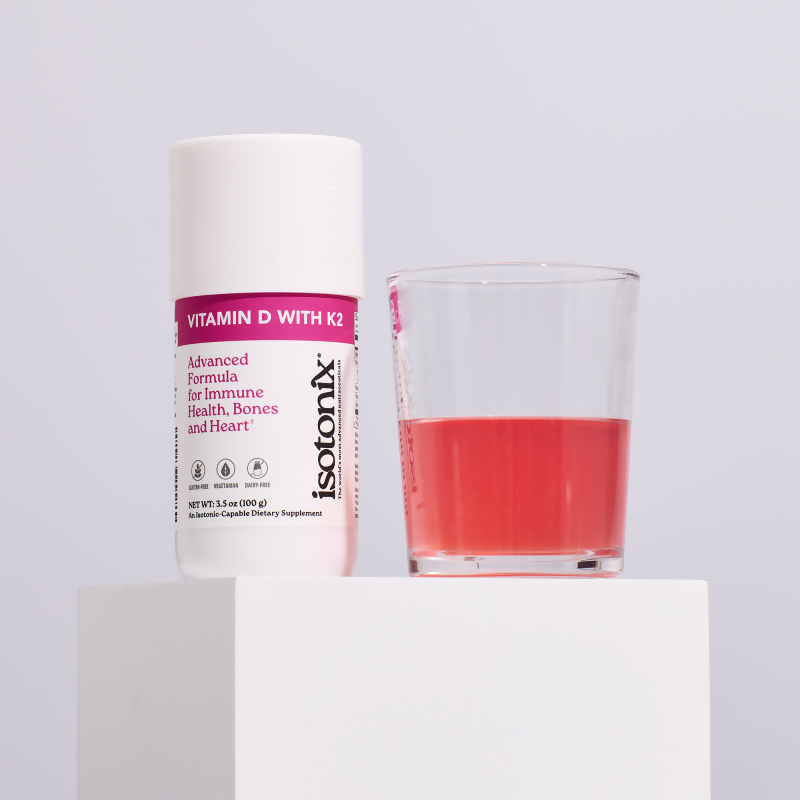
Isotonix®维生素D(含维生素K2)粉末含有维生素D3(具代谢活性的维生素D形式)和维生素K2(一种维生素K形式,能支持血管健康和钙的利用)。维生素D在骨骼、心脏健康以及免疫系统支援等方面起着重要作用,并与维生素K共同作用,以支援钙的正常吸收、促进动脉血管健康。Isotonix®维生素D(含维生素K2)粉末是第一个能以等渗透方式同时提供这两种强效维生素的产品。由于维生素K与维生素D联合使用时具有独特功效,因此Isotonix®维生素D(含维生素K2)粉末两者具备。维生素K与D协同作用,可支援钙的吸收和利用。维生素K支援将钙正常输送至骨骼,并可促进动脉血管健康。现已证实,至少有两种维生素K的天然存在形式,被称为K1和K2。虽然维生素K的这两种形式有许多相似之处,但也有一些重要的区别。维生素K1和K2在化学结构上的显著差别使它们具有不同的药动学特性。维生素K1主要留存在肝脏中,大剂量的维生素K1可能会干扰华法林及其它抗凝血药物的作用。维生素K2具有不同的作用机制。它主要被运送到骨骼及血管。维生素K2帮助维持骨量、支援钙的利用及提高血管弹性。一些研究结论表明,维生素K2并不会对抗凝血药物造成影响。*但是,大多数含有维生素K(包括K1及/或K2)的产品都有警告标示,提醒服用抗凝血药物的人不要使用此类产品。如果您正在服用华法林或其他抗凝血药物,在使用任何含有维生素K1或K2的产品前,请先咨询您的医护人员。相关术语:维生素D,维生素K,骨骼健康,心血管健康,免疫支援,D3,K2
查看详细信息好处
- 促进正常骨骼矿物质密度(即骨密度)
- 促进动脉血管健康
- 支援免疫系统健康
- 有助维持骨骼健康
- 通过支援正常的破骨细胞功能来帮助维持骨量
- 有助于保持心血管健康
- 提高血管弹性
- 有助维持正常血压
- 现已发现骨密度低的女性普遍缺乏维生素K
*上述文字未经美国食品药物管理局评估。本产品无意用于诊断、治疗、治愈或预防任何疾病之用。
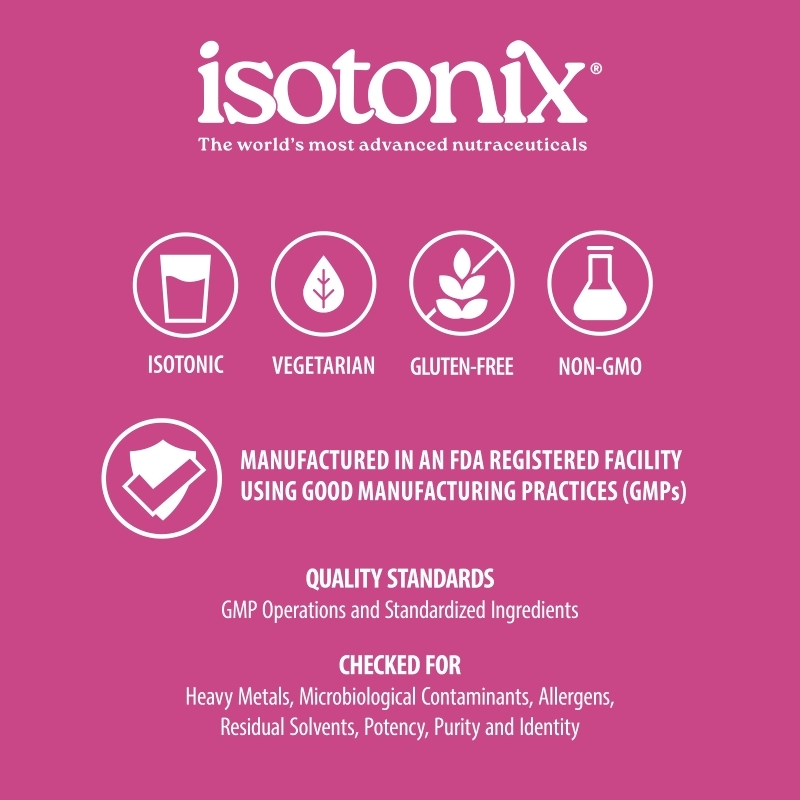
不含麸质 — 本产品不含可检测出之麸质
不含可检测出之基改成分(GMO) — 本产品不含可检测出之基因改造生物成分
素食产品 — 本产品为素食产品
等渗透压营养保健产品 — 能让身体快速吸收的可饮用液状营养保健品;个人效果可能不同
* 美国食品药物管理局(FDA)将含有少于20PPM麸质的制成产品列为不含麸质
详细资料
Isotonix®维生素D(含维生素K2)粉末含有维生素D3(具代谢活性的维生素D形式)和维生素K2(一种维生素K形式,能支持血管健康和钙的利用)。维生素D在骨骼、心脏健康以及免疫系统支援等方面起着重要作用,并与维生素K共同作用,以支援钙的正常吸收、促进动脉血管健康。
Isotonix®维生素D(含维生素K2)粉末是第一个能以等渗透方式同时提供这两种强效维生素的产品。由于维生素K与维生素D联合使用时具有独特功效,因此Isotonix®维生素D(含维生素K2)粉末两者具备。维生素K与D协同作用,可支援钙的吸收和利用。维生素K支援将钙正常输送至骨骼,并可促进动脉血管健康。现已证实,至少有两种维生素K的天然存在形式,被称为K1和K2。虽然维生素K的这两种形式有许多相似之处,但也有一些重要的区别。
维生素K1和K2在化学结构上的显著差别使它们具有不同的药动学特性。维生素K1主要留存在肝脏中,大剂量的维生素K1可能会干扰华法林及其它抗凝血药物的作用。维生素K2具有不同的作用机制。它主要被运送到骨骼及血管。维生素K2帮助维持骨量、支援钙的利用及提高血管弹性。一些研究结论表明,维生素K2并不会对抗凝血药物造成影响。*
但是,大多数含有维生素K(包括K1及/或K2)的产品都有警告标示,提醒服用抗凝血药物的人不要使用此类产品。如果您正在服用华法林或其他抗凝血药物,在使用任何含有维生素K1或K2的产品前,请先咨询您的医护人员。相关术语:维生素D,维生素K,骨骼健康,心血管健康,免疫支援,D3,K2
了解更多
成分
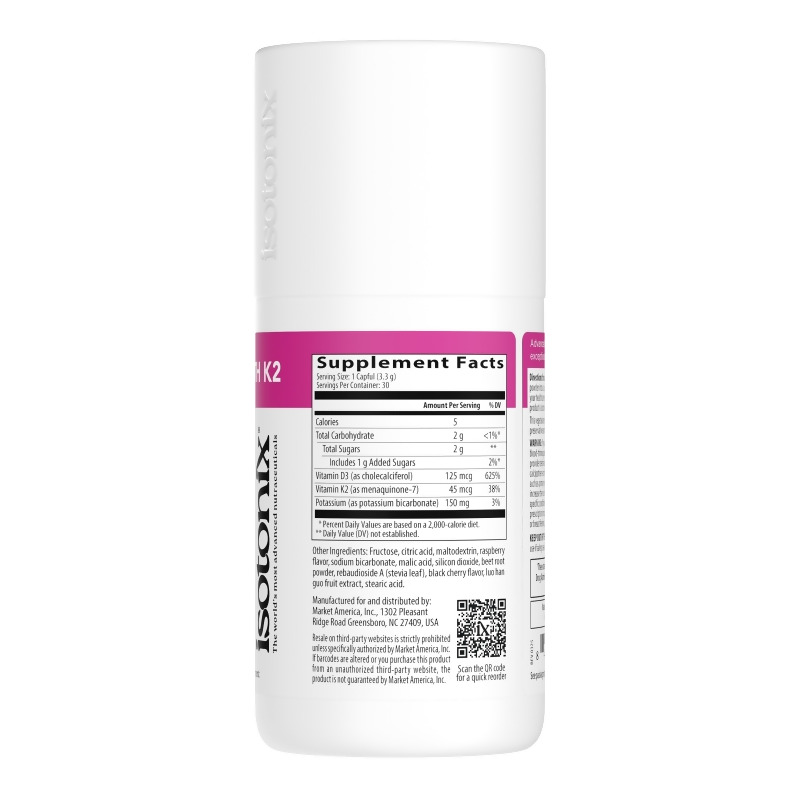
维生素D3(胆钙化醇):5000国际单位
维生素D是一种脂溶性维生素,存在于某些食物中,也可通过阳光照射皮肤激活维生素D的合成在人体内产生。维生素D能提高肠道(主要是十二指肠与空肠)对钙的吸收效率,透过钙结合蛋白的合成,促进钙的吸收与留存。维生素D还能透过成骨细胞和破骨细胞来促进骨骼的正常形成、生长和重塑。
维生素D缺乏的原因有:日晒不足,皮肤合成维生素D的数量下降、饮食摄入不足,肠道吸收功能受损,以及肾脏对于维生素D活性成分的代谢能力下降,所有这些因素都会随着年龄增长而加重。缺乏维生素D会引起许多健康问题,体内水平不足会导致骨质疏松和肌肉虚弱。除了强健骨骼,维生素D还有其他健康作用,包括支援身体神经肌肉功能及免疫功能的正常调节。经证实,维生素D还可支援免疫调节,此类营养保健品能通过促进身体对T-细胞功能的正常调节而改善免疫健康。关于细胞健康,维生素D支援许多基因的调节,这些基因负责编码调节正常细胞周期活动的蛋白质。维生素D的水平与细胞健康密切相关。最后,维生素D通过与VDR(即维生素D受体)的相互作用,支援健康的肾素基因编码表达,从而有助于维持健康的血压水平。*
维生素K2:45微克
维生素K是一种脂溶性维生素,存在于肉类、蛋类、奶制品和纳豆中。虽然维生素K2是一种脂溶性维生素,但是人体中的储存量却极少。如果没有从饮食中经常补充,体内的储存会很快消耗殆尽。天然维生素K2,也称为甲基萘醌-7(MK-7),是最具生物可利用性的形式, 且为在血液中具有最长半衰期的维生素K形式。日本大豆食品纳豆特别富含甲基萘醌-7(MK-7)。有关日本人进食纳豆的研究发现,甲基萘醌-7与骨骼和心血管健康相关联。维生素K与心血管以及骨骼健康的相关性直接表现在支援正常的钙利用,钙的充分代谢可支援动脉血管和骨骼健康。这就是常说的钙悖论。
钙悖论可简单地解释为将钙吸收到合理的地方(即到骨骼中而非动脉血管壁内)。这些事件取决于维生素K的依赖蛋白质(骨钙蛋白和基质Gla蛋白)在羧化过程中的合成。羧化是蛋白质翻译后的步骤; 也就是说,骨钙蛋白和基质Gla蛋白从其各自的信使核糖核酸(mRNA)翻译而来,然后被酵素修饰成活性形式。这些羧化形式支持钙的健康结合及释放。该反应对于钙的最佳健康利用必不可少。维生素K2促进与钙利用相关的蛋白质合成,从而支援骨质存留和动脉健康。虽然维生素D支持骨钙蛋白的健康调节和合成,但此蛋白质与矿物质的结合能力需要依赖于维生素K的羧化过程,且被认为与骨矿化相关。Gas6是一种维生素K依赖蛋白质,存在于整个神经系统以及心脏、肺、胃、肾及软骨中。尽管其确切的运作机制尚未确定,但Gas6被认为是细胞生长调节因子,参与多种细胞活动,如细胞粘附,以及针对细胞凋亡的细胞增殖与保护。*
常见问题
本产品为何含有维生素D和维生素K2?
本产品之所以包含维生素K是因其与维生素D独特的联合功效。维生素K和维生素D协同作用,可促进健康的钙吸收和利用。维生素K支持向骨骼中输送钙,有助于维持动脉健康。*
本产品对服用抗凝血药物的人是否安全?
一些研究结论表明,维生素K2并不会对抗凝血药物造成影响。但是,大多数含有维生素K(包括K1及/或K2)的产品都有警告标示,提醒服用抗凝血药物的人不要使用此类产品。如果您正在服用华法林或其他抗凝血药物,在使用任何含有维生素K1或K2的产品前,请先咨询您的医护人员。
如何使用本產品?
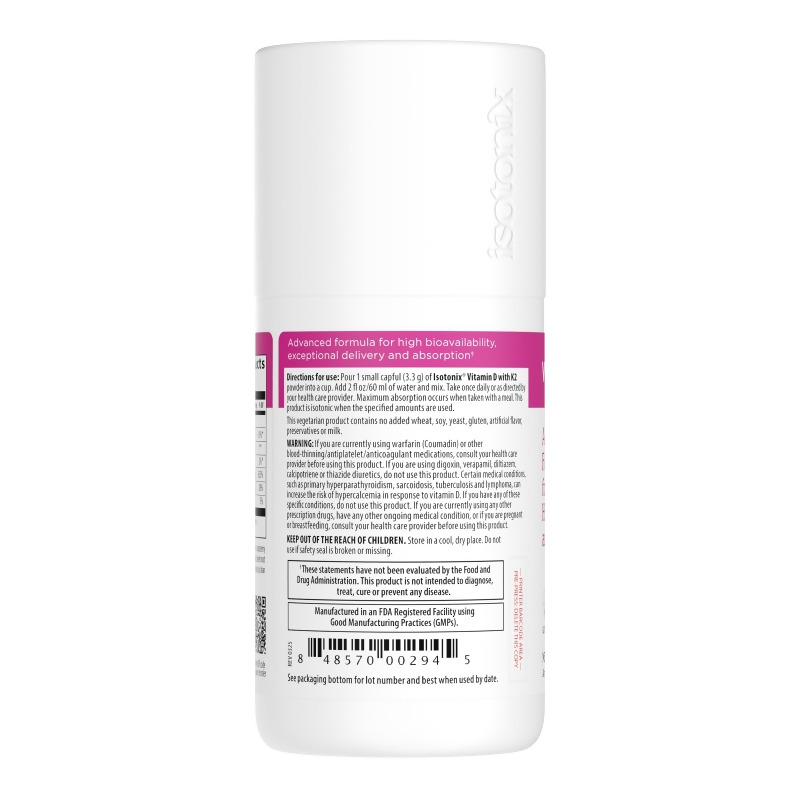
將一瓶蓋的粉末与2盎司水混合。每天食用一份。
每天食用本产品超过一份是否安全?
我们建议每日食用一份。如果要食用更多的份量,请先询问您的医护人员。
是否有维生素D的毒性判定标准?
建议的维生素D剂量是每日食用10,000国际单位以下,但维生素D的安全性研究表明,对大多数人来说,每日食用40,000国际单位仍属安全。如果您要食用超过每天一份的份量,您应该询问您的医师。
维生素D有哪些的食物来源?
鳕鱼肝油、鲑鱼、鲭鱼和鲔鱼皆富含维生素D。
科学
- Knapen M et al. Vitamin K2 supplementation improves hip bone geometry and bone strength indices in postmenopausal women. Osteoporosis International. 18(7):963-72, 2007.
- Shiraki, M., et al. Vitamin K2 (menatetrenone) effectively prevents fractures and sustains lumbar bone mineral density in osteoporosis. Journal of Bone & Mineral Research. 15:515-522, 2000.
- Hiruma Y et al. Vitamin K(2) and geranylgeraniol, its side chain component, inhibited osteoclast formation in a different manner. Biochemical Biophysical Research Communications. 314(1):24-30, 2004.
- Kameda T et al. Vitamin K2 inhibits osteoclastic bone resorption by inducing osteoclast apoptosis. Biochemical and Biophysical Research Communications. 220(3):515-519, 1996.
- Taira H et al. Menatetrenone (vitamin K2) acts directly on circulating human osteoclast precursors. Calcified Tissue International. 73(1):78-85, 2003.
- Hidaka T et al. Treatment for patients with postmenopausal osteoporosis who have been placed on HRT and show a decrease in bone mineral density: effects of concomitant administration of vitamin K(2). Journal of Bone and Mineral Metabolism. 20(4):235-239, 2002.
- Iwamoto J et al. Effects of vitamin K2 on osteoporosis. Current Pharmaceutical Design. 10(21):2557-2576, 2004.
- Iwamoto J et al. Treatment with vitamin D3 and/or vitamin K2 for postmenopausal osteoporosis. The Keio Journal of Medicine. 2003 Sep;52(3):147-50. Review. · Neogi, T., et al. Low vitamin K status is associated with osteoarthritis in the hand and knee. Arthritis and Rheumatism. 54(4):1255-1261, 2006.
- Price P. Role of vitamin K-dependent proteins in bone metabolism. Annual Review of Nutrition. 8:565-583, 1988.
- Bekner K. The vitamin K-dependent carboxylase. Journal of Nutrition. 130(8):1877-1880, 2000.
- Nelsestuen G et al. Vitamin K-dependent proteins. Vitamins and Hormones. 58:355-389, 2000.
- Shearer M. Role of vitamin K and Gla proteins in the pathophysiology of osteoporosis and vascular calcification. Current Opinion in Clinical Nutrition and Metabolic Care. 3(6):433-438, 2000.
- Gundberg C et al. Vitamin K status and bone health: an analysis of methods for determination under carboxylated osteocalcin. Journal of Clinical Endocrinology and Metabolism. 83(9):3258-3266, 1998.
- Weber P. Management of osteoporosis: is there a role for vitamin K? International Journal for Vitamin and Nutrition Research. 67(5):350-6, 1997.
- Garber, A. K., et al. Comparison of phylloquinone bioavailability from food sources or a supplement in human subjects. Journal of Nutrition. 129(6):1201-1203, 1999.
- Binkley N et al. Vitamin K nutrition and osteoporosis. Journal of Nutrition. 125(7):1812-1821, 1995.
- Bischoff-Ferrari Het al. Fracture prevention with vitamin D supplementation: a meta-analysis of randomized controlled trials. JAMA. 293(18):2257-2264, 2005.
- Guirguis-Blake J et al. Oral vitamin D3 decreases fracture risk in the elderly. Journal of Family Practice. 52(6):431-435, 2003.
- Schaafsma, A., et al. Vitamin D3 and vitamin K1 supplementation of Dutch postmenopausal women with normal and low bone mineral densities: effects on serum 25-hydroxyvitamin D and carboxylated osteocalcin. European Journal of Clinical Nutrition. 54:626-631, 2000.
- Trivedi Det al. Effect of four monthly oral vitamin D3 (cholecalciferol) supplementation on fractures and mortality in men and women living in the community: randomised double blind controlled trial. British Medical Journal. 326(7387):469, 2003.
- Van den Berghe G et al. Bone turnover in prolonged critical illness: effect of vitamin D. Journal of Clinical Endocrinology and Metabolism. 88(10):4623-4632, 2003.
- Chapuy M et al. Vitamin D3 and calcium to prevent hip fractures in the elderly women. New England Journal of Medicine. 327(23):1637-1642, 1992.
- Grant W and Holick M. Benefits and requirements of vitamin D for optimal health. Alternative Medicine Review. 10:94-111, 2005.
- Zitterman A et al. Low vitamin D status: a contributing factor in the pathogenesis of congestive heart failure? Journal of the American College of Cardiology. 41(1):105-112, 2003.
- Schleithoff S et al. Vitamin D supplementation improves cytokine profiles in patients with congestive heart failure: a double-blind, randomized, placebo-controlled trial. American Journal of Clinical Nutrition. 83(4):754-759, 2006.
- Argiles A et al. Blood pressure is correlated with vitamin D(3) serum levels in dialysis patients. Blood Purification. 20(4):370-375, 2002.
- Kristal-Boneh E et al. Association of calcitriol and blood pressure in normotensive men. Hypertension. 30(5):1289-1294, 1997.
- Li Y et al. 1,25-Dihydroxyvitamin D(3) is a negative endocrine regulator of the renin-angiotensin system. Journal of Clinical Investigation. 110(2):229-238, 2002.
- Li Y et al. Vitamin D regulation of the renin-angiotensin system. Journal of Cell Biochemistry. 88(2):327-331, 2003.
- Li Y et al. Vitamin D: a negative endocrine regulator of the renin-angiotensin system and blood pressure. Journal of Steroid Biochemistry and Molecular Biology. 89-90(1-5):387-392, 2004.
- Pfeifer M et al. Effects of a short-term vitamin D(3) and calcium supplementation on blood pressure and parathyroid hormone levels in elderly women. Journal of Clinical Endocrinology and Metabolism. 86(4):1633-1637, 2001.
- Sigmund C. Regulation of renin expression and blood pressure by vitamin D(3). Journal of Clinical Investigation. 110(2):155-156, 2002.
- Vasquez A et al. The clinical importance of vitamin D (cholecalciferol): a paradigm shift with implications for all healthcare providers. Alternative Therapies. 10(5):28-38, 2004.
- Nimptsch K et al. Dietary intake of vitamin K and risk of prostate cancer in the Heidelberg cohort of the European Prospective Investigation into Cancer and Nutrition. American Journal of Clinical Nutrition. 87:985-992, 2008.
- Habu D et al. Role of vitamin K2 in the development of hepatocellular carcinoma in women with viral cirrhosis of the liver. JAMA. 292(3):358-361, 2004.
- Yoshida T et al. Apoptosis induction of vitamin K2 in lung carcinoma cell lines: the possibility of vitamin K2 therapy for lung cancer. International Journal of Oncology. 23(3):627-632, 2003.
- Yokoyama T et al. Combination of vitamin K2 plus imatinib mesylate enhances induction of apoptosis in small cell lung cancer cell lines. International Journal of Oncology. 26(1):33-40, 2005.
- Chlebowski R et al. Vitamin K in the treatment of cancer. Cancer Treatment Review. 12:49-63, 1985.
- Hitomi M et al. Antitumor effects of vitamins K1, K2 and K3 on hepatocellular carcinoma in vitro and in vivo. International Journal of Oncology. 26(3):713-720, 2005.
- Nouso K et al. Regression of hepatocellular carcinoma during vitamin K administration. World Journal of Gastroenterology. 11(42):6722-6724, 2005.
- Blackmore K et al. Vitamin D from dietary intake and sunlight exposure and the risk of hormone-receptor-defined breast cancer.
- American Journal of Epidemiology. 168(8):915-24, 2008. · Deluca H et al. Vitamin D: its role and uses in immunology. FASEB Journal. 15(14):2579-2585, 2001.
- Adorini L. Immunomodulatory effects of vitamin D receptor ligands in autoimmune diseases. International Immunopharmacology. 2(7):1017-1028, 2002.
- Cantorna M et al. Mounting evidence for vitamin D as an environmental factor affecting autoimmune disease prevalence. Experimental Biology and Medicine ( Maywood ). 229(11):1136-1142, 2004.
- Cantorna M. Vitamin D and autoimmunity: is vitamin D status an environmental factor affecting autoimmune disease prevalence? Society for Experimental Biology and Medicine. 223:230-233, 2000.
- Garland C et al. The role of vitamin D in cancer prevention. American Journal of Public Health. 96(2):252-61, 2006.
- Giovannucci E et al. Prospective study of predictors of vitamin D status and cancer incidence and mortality in men. Journal of the National Cancer Institute. 98(7):451-459, 2006.
- Holick, M. Vitamin D: Its role in cancer prevention and treatment. Progress in Biophysics and Molecular Biology. 92(1):49-59, 2006.
- Gorham E et al. Vitamin D and prevention of colorectal cancer. Journal Steroid Biochemistry and Molecular Biology. 97(1-2):179-94, 2005.
- Grant W et al. Reviews: A critical review of studies on vitamin D in relation to colorectal cancer. Nutrition and Cancer. 48(2):115-123, 2004.
- Harris D et al. Vitamin D and colon carcinogenesis. Journal of Nutrition. 134(12):3463S-3471S, 2004.
- Hayes C et al. The immunological functions of the vitamin D endocrine system. Cellular and Molecular Biology. 49(2):277-300, 2003.